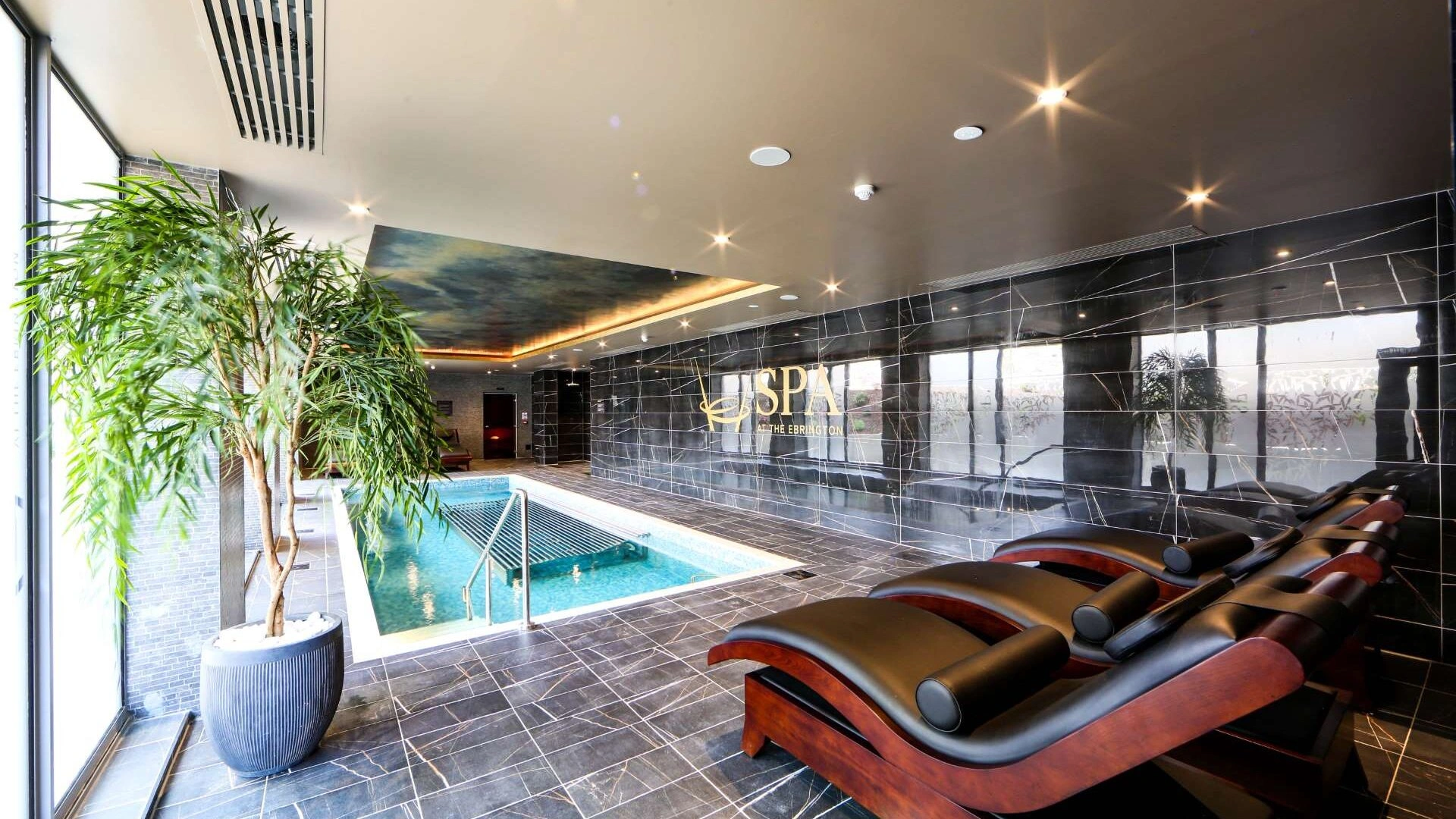
Top Hydrotherapy Hotel Plans: The 2026 Engineering Guide
The contemporary maturation of the global health hospitality market has transitioned from an era of aesthetic novelty toward a period of rigorous functional specificity. For the institutional developer, the family office, or the sophisticated asset manager, traditional markers of luxury high-specification finishes or artisanal decor now function as baseline commodities rather than competitive advantages. In their place, a new hierarchy of value has emerged, centered on Operational Fidelity. Within the diverse landscape of hydrothermal tourism, a hydrotherapy property no longer exists merely as a leisure shelter; it operates as an engineered metabolic node where success is dictated by the management of biological recovery and the mitigation of environmental entropy.
Identifying and executing resilient strategies for aquatic-based health requires moving beyond the hobbyist vernacular of traditional relaxation. We are witnessing the professionalization of restorative spaces, where the quality of technical hardening, ranging from clinical-grade water filtration to the integrity of specialized pressure-distribution infrastructure,e determines the occupant’s physiological and psychological security. For the senior strategist, the selection of an administrative framework for an elite asset represents a high-stakes decision. This process begins with a deconstruction of the building envelope, ensuring that material choices align with localized environmental stressors to prevent premature structural decay in high-salinity or high-humidity zones.
As we move through 2026, systemic integrity defines the success of these occupancies specifically, the degree to which spatial configuration, moisture-control failovers, and hydraulic exchange protocols align to produce a frictionless environment. This transition marks the end of the “pampering” era, replacing it with an era of structural utility. In this new paradigm, the capacity for thermal reset and environmental hardening, or the speed at which a system resets after a high-occupancy stress,sor measures the true authority of a development. This editorial analysis deconstructs the mechanics of elite aquatic administration and identifies the points of failure that compromise the promise of a restorative sanctuary.
Understanding “top hydrotherapy hotel plans”

To grasp the full scope of what constitutes top hydrotherapy hotel plans, one must view the modern high-end restorative residence not as a static luxury object, but as a metabolic system operating at the intersection of clinical precision, fluid dynamics, and hospitality. At its core, the term represents the strategic alignment of physical elements, such as sets of thermal mass, vapor-permeable membranes, and integrated heat exchangers, with specific performance outcomes in environments characterized by high mineral turnover and atmospheric moisture. In commodity marketing, “plans” are frequently presented as a visual aesthetic of floor layouts and neutral tones. However, true optimization requires a radical departure from this view, acknowledging that a high-end residency is a dynamic battle against the recurring expenses of atmospheric wear and the high overhead of hydraulic maintenance.
A multi-perspective explanation reveals that while the primary goal remains the preservation of the inhabitant’s biological health through water-based immersion, the secondary and tertiary goals involve the “Invisible Operation.” In elite management, developers entirely decouple maintenance protocols such as desalination of hydrotherapy pumps or the calibration of UV-C air sterilization cycles from the inhabitant’s experience. The occupant should feel the value of the stay in the cognitive uptime and physiological reset it provides, while the rigorous battle against mineral scaling, legionella risk, and utility instability remains obscured.
Common misunderstandings often conflate “scenic value” with “operational fidelity.” In the context of high-fidelity assets, superior experiences refer to the density of the clinical layer and the technical specificity of the infrastructure, not just the proximity to a natural water source. Oversimplification risks are highest when stakeholders prioritize short-term savings over long-term structural utility. A choice that lacks redundant water purification systems or professional-grade moisture-management protocols cannot be classified as a secure development, regardless of the initial aesthetic appeal or the architectural pedigree of the site.
The Actuarial Evolution of Hydraulic Infrastructure
The trajectory of high-end hydrotherapy resorts has shifted from a display of overt labor to an exercise in technical concealment. In the early 2010s, the presence of visible staff performing manual treatments signaled status; today, the presence of flawless utility flow, automated climate control, and biometric integration signals true authority and fiscal maturity. This evolution mirrors the transition from trust-based systems to protocol-based systems.
Historically, owners of aquatic sites relied on the individual loyalty of a facility manager. While effective in a simpler era, this model possessed a single point of failure. If the individual lacked technical knowledge of modern gray-water reclamation or smart-grid management, the asset suffered. The modern era demands a decentralized stewardship model. Here, the knowledge is embedded in the software, the sensors, and the redundant protocols of the property itself. This shift ensures that the asset remains a high-performance node regardless of personnel turnover.
Systemic hardening now includes digital sovereignty alongside physical resilience. As aquatic sites integrate complex automation for pressure tracking and remote health monitoring, they become targets for digital intrusion. The contemporary site must therefore incorporate a technical firewall alongside its physical barrier. We no longer underwrite property based on menu diversity alone; we underwrite based on the metabolic health of the structure’s internal systems, its power redundancy, its moisture-intrusion integrity, and its capacity to maintain an unbroken “cold-chain” for biological samples and high-value recovery protocols.
Conceptual Frameworks for Asset Sovereignty
To navigate the complexity of high-fidelity hydrotherapy residency, stewards should employ specific mental models that prioritize systemic resilience over aesthetic vanity.
1. The Hydraulic Load Model
This framework treats the hotel as an organism with a specific intake (energy, water, minerals) and waste output. In high-use zones, the hydraulic load is significantly higher due to the energy required for vapor extraction and the filtration of mineral deposits that threaten to calcify internal pipework. Optimization involves identifying the “clogged arteries” of the operation, be it an inefficient heat exchanger or a legacy filtration system that fails during peak occupancy.
2. The Vapor Barrier Theory
In aquatic architecture, the wall is not just a structural element but a filter. This theory prioritizes the management of the pressure differential between the high-humidity thermal zones and the dry, controlled guest rooms. By maintaining slightly negative pressure in wet areas, the hotel prevents the migration of moist, mineral-heavy air through the building envelope, which is the primary cause of latent mold and structural rot.
3. The n+1 Utility Rule
Borrowed from data center engineering, this model dictates that for every critical system (thermal regulation, water sterilization, air filtration), there must be at least one backup ready to activate immediately. In isolated retreat environments, this is non-negotiable. This prevents the cascading failure scenario where a single grid outage leads to the loss of humidity control, resulting in the rapid degradation of interior finishes and mineral buildup in stationary water lines.
Key Categories and Technical Variations
When evaluating the market for high-fidelity hydrotherapy assets, stakeholders must recognize that units belong to distinct archetypes, each requiring unique hardening strategies.
| Category | Primary Envelope Material | Critical Failure Vector | Hardening Priority |
| Medical-Hydraulic | Reinforced Concrete / Stone | Saline / Chemical Corrosion | Epoxy-Sealed Reinforcement |
| Kneipp-Thermal | Rammed Earth / Timber | Desiccation / Thermal Bridging | Vapor Permeability Control |
| Thalasso-Clinical | Medical-Grade Polymer / Steel | Microbial Biofilm | Anti-Microbial Surface Bonding |
| Metabolic-Flow | Bioshield Glass / Composite | UV / Thermal Shock | Hydrophobic Coatings |
Realistic Decision Logic
Before selecting a procurement or management framework, the property steward must rank the asset on a 1–10 scale across technical hardening and metabolic efficiency. A sum below 22 signals that a property requires significant operational capital before it can be certified as a secure sovereign node. Performance assets in high-humidity zones require 30% higher maintenance budgets to maintain the same level of integrity as standard hospitality units.
Detailed Real-World Scenarios: Systemic Failure and Recovery
The Invisible Moisture Breach
A high-resolution hydrotherapy hotel in a coastal zone experienced a slow failure of the vapor barrier between the Watsu pool and the primary mechanical room.
-
The Failure: The property utilized a traditional visual inspection model. The moisture intrusion remained undetected behind the moisture-resistant drywall for four months.
-
The Consequence: Micro-fungal growth disabled the main air handling unit’s sensors, requiring a $120,000 remediation and a total loss of occupancy for the east wing.
-
The Correction: Installing real-time interstitial sensors that monitor humidity levels within wall cavities, reducing detection time from months to minutes.
The Grid-Dependent Recovery Center
An estate focused on biological recovery relied solely on a single-point inverter for its specialized hydraulic regulation systems.
-
The Failure: A localized lightning strike disabled the primary inverter.
-
The Incident: During a high-occupancy week, the cooling systems for the “cold plunge” and the heat exchangers for the therapeutic pools failed.
-
The Second-Order Effect: Calcification of the secondary heat exchanger due to stagnation, valued at $85,000 in repair costs.
-
The Correction: Implementing a redundant dual-inverter system with separate battery banks to ensure system uptime for climate-critical zones.
Planning, Cost, and Resource Dynamics
The economics of high-fidelity audio are often counterintuitive. Reducing the sticker price of a property often increases the total cost of ownership (TCO) due to accelerated environmental decay. In elite management, administrators entirely decouple cost-saving protocols such as automated energy load-shedding from the guest’s daily flow.
Range-Based Maintenance and Management Investment (Monthly per Unit)
| Expense Item | “Standard” Market Plan | “High-Fidelity” Hardened Plan |
| Thermal Stewardship | $600 – $1,200 (Reactive) | $2,500 – $5,000 (Predictive) |
| Envelope Maintenance | $300 – $700 | $1,200 – $2,500 |
| Hydraulic & Filtration Ops | $500 – $1,000 | $2,000 – $4,500 |
| Bio-Security Protocols | $200 – $400 | $800 – $1,500 |
A thorough process will reveal that the high-fidelity plan appears significantly more expensive on paper, yet it prevents the black swan events like mass microbial outbreaks or structural corrosion that can cost hundreds of thousands in remediation and lost asset value.
Tools, Strategies, and Support Systems
-
Negative-Pressure Wet Zones: Systems that ensure high-humidity air is mechanically exhausted rather than allowed to migrate into the structural envelope.
-
UV-C In-Duct Sterilization: Continuously treating the air supply to prevent the accumulation of airborne pathogens in high-occupancy zones.
-
Interstitial Humidity Sensors: Monitoring the “health” of the building envelope beneath the surface level of luxury finishes.
-
Hydraulic Imaging Audits: Quarterly scans of pool perimeters and pipe junctions to identify thermal leaks or moisture ingress.
-
Redundant Dehumidification: Dedicated, industrial-grade units separate from the primary cooling system to handle latent heat loads.
-
Sovereign Energy Grids: Lithium-plus-PV systems that allow the property to operate its critical life-support and recovery systems for 72 hours without external input.
-
Predictive Maintenance Software: Tools that track the lifecycle of every mechanical part based on actual environmental stress (e.g., mineral exposure levels).
-
Digital Twins: Real-time 3D models of the hotel’s environmental and hydraulic systems used for remote troubleshooting by senior engineers.
Risk Landscape and Failure Modes
The most dangerous risk in elite hospitality management is compounding fragility. This occurs when multiple minor environmental stressors fail simultaneously, overwhelming the management layer. For example, a minor power surge might disable the Wi-Fi, which in turn disables the smart water-chemical balancers, which then leads to a chemical imbalance that erodes the pump seals during a holiday weekend.
A systemic approach requires a taxonomy of aquatic residency risk:
-
Terminal Risks: Mass legionella outbreak, total structural collapse due to latent moisture, loss of operational license.
-
Operational Risks: Pump failure, primary water filtration breach, vapor barrier failure.
-
Frictional Risks: Minor cosmetic mineral crusting, localized mold in grout, sensor calibration drift.
The goal of the property steward is to ensure that no frictional risk ever compounds into an operational or terminal risk.
Governance, Maintenance, and Long-Term Adaptation
An aquatic asset is a dynamic system that requires a living document of governance. This document must survive both the owner and the manager.
-
Biannual Structural Audits: Measuring the integrity of reinforced concrete in wet zones and the tension of glass anchors in hydraulic zones.
-
Annual Bio-Film Reviews: Measuring the accumulation of organic matter in secondary pipework to adjust filtration cadences.
-
The 10-Year Resilience Plan: Anticipating local climate shifts and ensuring the building’s infrastructure can adapt to higher ambient temperatures or new energy technologies.
Governance means treating the hotel as a corporate entity with its own board, its own audits, and its own long-term strategy for survival in a volatile climate.
Measurement, Tracking, and Evaluation
How do we measure the success of an invisible operation? We look at leading indicators rather than lagging indicators.
-
Leading Indicator: 100% completion rate of weekly desalination and chemical flushing for hydrotherapy units.
-
Lagging Indicator: The hotel didn’t lose water quality last month. This is often luck, not strategy.
-
Qualitative Signal: The guest reports that the interior air feels “crisp and sterilized” despite outdoor humidity.
-
Quantitative Signal: The Mean Time Between Failures (MTBF) for hydraulic pump systems is increasing year-over-year.
Documentation examples include the Metabolic Health Ledger, a monthly report detailing every energy spike, water anomaly, and inventory shift.
Common Misconceptions and Oversimplifications
-
Myth: Hydrotherapy hotels are “low maintenance” in dry climates. Correction: Arid environments cause wood shrinkage and seal failure, leading to massive energy loss in thermal zones.
-
Myth: Natural stone is the best material for wet zones. Correction: Porous stone absorbs organic matter and moisture, leading to internal structural rot if not sealed with high-fidelity epoxies.
-
Myth: High-end means “expensive amenities.” Correction: High-end means an engineered environment where the air is filtered, dehumidified, and sterilized to protect the inhabitant’s biology.
-
Myth: Chlorine is the only way to manage water safety. Correction: Elite assets use multi-stage filtration,n including ozone and UV-CV, to reduce chemical load on the inhabitant and the building.
-
Myth: Maintenance can be handled by a general hospitality staff. Correction: Property owners create technical debt when they employ non-specialized labor for high-fidelity mechanical systems.
-
Myth: A backup generator is sufficient. Correction: Generators are noisy and high-failure; a sovereign battery grid is the only way to ensure true luxury uptime.
Ethical and Practical Considerations
The rise of high-fidelity hydrotherapy nodes brings a responsibility to the local human and ecological ecosystem. A hotel that operates as a hardened, resource-hungry island risks becoming a target of local resentment. The most resilient efficiency strategies practice ecological integration, utilizing local, high-shelf-life materials that reduce the property’s “logistical footprint” and support the regional economy.
Furthermore, we must consider the human capital involved. The most effective stewards are those who are treated as professional technicians rather than seasonal workers. Investing in specialized training for staff regarding moisture management and environmental mitigation creates a knowledge firewall that is far more effective than any physical barrier.
Conclusion: Synthesis and Adaptability
The architecture of the luxury wellness market has shifted permanently toward the sovereign node. Notably, success no longer depends on aesthetic beauty or treatment variety. Instead, it relies on the integrity of the underlying systems. Factors such as the metabolic health of the site and the digital sovereignty of the network now dictate value. Furthermore, the resilience of maintenance protocols ensures long-term asset authority.
By applying high-fidelity stewardship, the modern developer moves beyond reactive repair. Consequently, they enter an era of structural utility. The goal is not merely to provide a bed and a massage. Rather, it is to govern a resilient environment. This space must facilitate human performance and biological recovery. In light of a volatile global landscape, the well-managed sanctuary functions as the ultimate firewall. Indeed, these environmental complexities are managed so effectively that they become, quite literally, invisible.