Desert Spa Destinations USA: An Editorial Guide to Arid Wellness
The American desert is a landscape of profound physiological contradictions. This environment defines itself through a scarcity of water, shade, and moderate temperatures. Nevertheless, it now serves as the primary theater for the world’s most sophisticated wellness interventions. Within the borders of the Southwest, the desert serves as more than just a backdrop; it acts as a “Biophysical Crucible.” The combination of high-intensity solar radiation, low humidity, and vast acoustic silence creates a unique set of variables that high-tier spa destinations utilize to facilitate deep nervous system down-regulation.
In the luxury hospitality sector, the desert is treated as a “Clean Room” for the mind. Unlike coastal or alpine environments, which are defined by moisture and dense flora, the desert is minimalist and stark. This environmental minimalism reduces “Peripheral Sensory Load,” allowing the individual to redirect metabolic energy toward internal repair and psychological clarity. Consequently, a stay at a premier desert facility is less about “adding” experiences and more about “subtracting” the noise of the industrialized world.
Developing an authoritative understanding of this market requires looking past the aesthetic of saguaro cacti and turquoise jewelry to the underlying “Hydraulic and Thermal Economics.” A desert spa must solve the fundamental paradox of providing luxury hydration in an area of extreme drought. The best destinations manage this through a combination of ancient geothermal tapping and modern water-reclamation technologies, ensuring that the guest’s sense of “Abundance” does not come at the cost of the region’s “Ecological Integrity.”
Understanding “desert spa destinations usa”
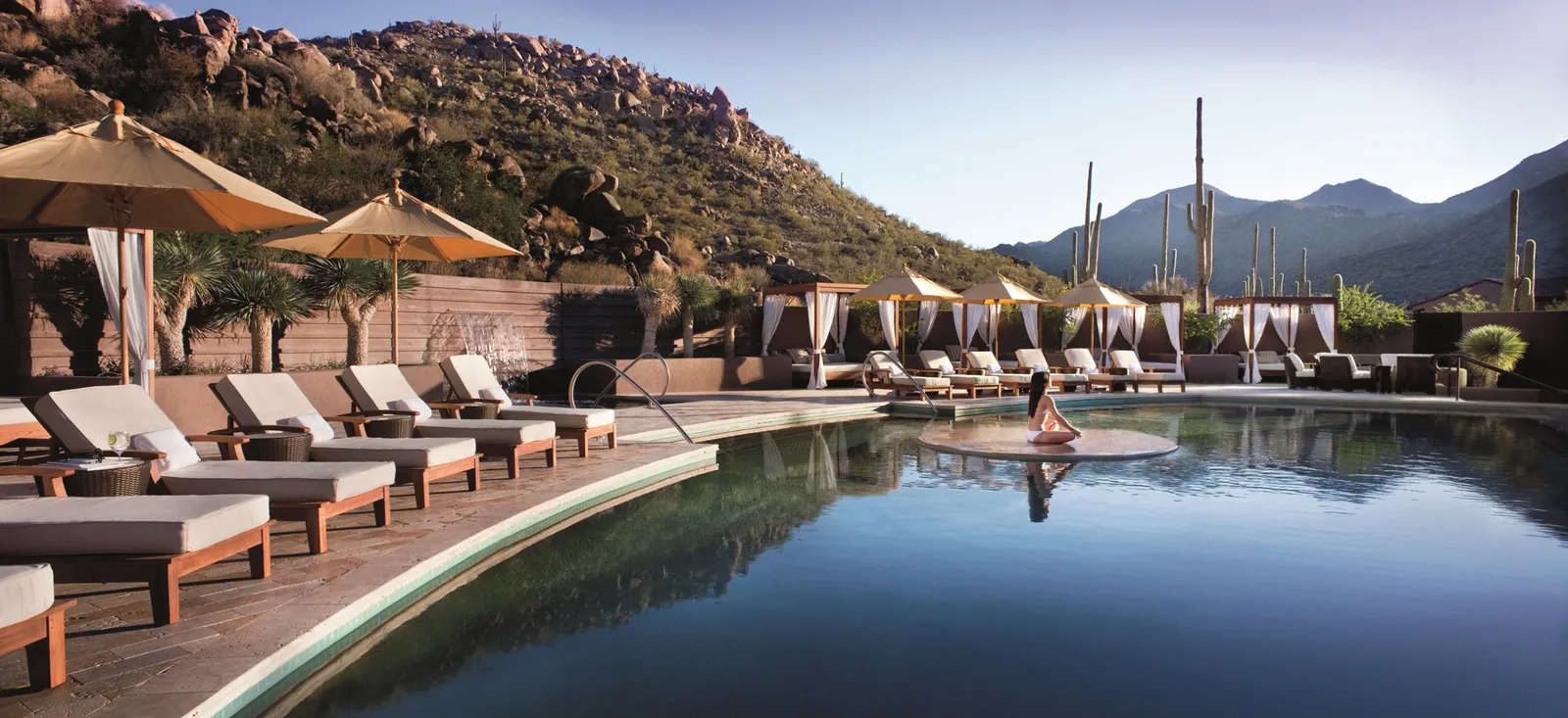
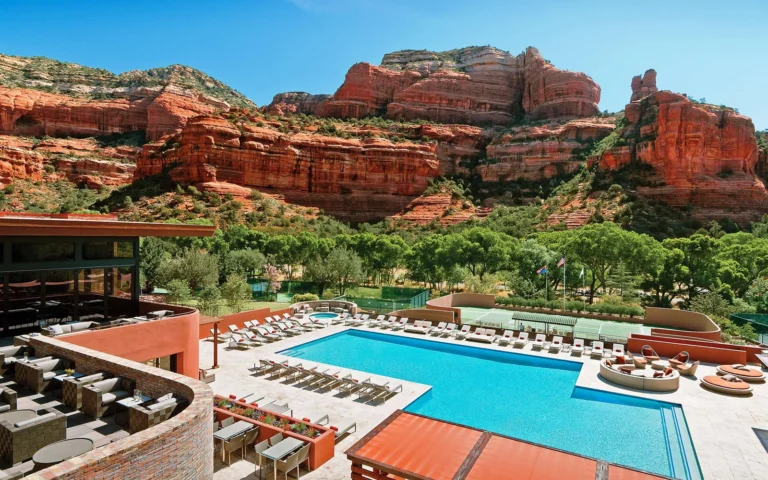
The term desert spa destinations usa is often utilized as a catch-all for any high-end hotel in Arizona, New Mexico, or Southern California. However, from a senior editorial perspective, “Desert Wellness” is a specific operational category characterized by “Thermal Management” and “Alkaline Chemistry.” A common misunderstanding among travelers is the belief that the desert is universally “hot.” In reality, the high-desert regions such as Sedona or Santa Fe experience significant diurnal temperature swings, where a $40^\circ\text{F}$ drop after sunset is common. This “Thermal Cycling” is a primary therapeutic agent, stimulating the vascular system in a way that static-temperature environments cannot.
The risk of oversimplification arises when travelers fail to distinguish between “Low Desert” (Palm Springs, Scottsdale) and “High Desert” (Utah, Northern Arizona). The Low Desert offers higher atmospheric pressure and intense heat, which is ideal for “Sudatory Therapy” (detoxification through sweating). The High Desert offers thinner air and higher UV exposure, which is better suited for “Metabolic Adaptation” and respiratory clarity. A failure to align one’s biological goals with the specific elevation of the destination is a foundational error in travel planning.
Furthermore, effectively evaluating these destinations requires a “Systems Thinking” approach toward water. An authoritative desert spa is defined by its “Water Source Integrity.” Is the facility using municipal tap water for its hydrotherapy, or is it tapping into deep-earth aquifers rich in lithium and magnesium? The “Best” in this category are those that have preserved the raw mineral profile of their source, providing a “Transdermal Nutrient Load” that is naturally occurring rather than chemically added. Understanding this distinction is the difference between a “Pool” and a “Primary Treatment.”
Deep Contextual Background: The Evolution of the Arid Retreat
The American desert wellness tradition began with “Climatotherapy.” In the late 19th and early 20th centuries, doctors prescribed the Southwest for “The Cure” primarily for tuberculosis and respiratory ailments. The dry, sterile air was seen as a literal medicine. These early sanatoriums were the prototypes for modern desert spa destinations usa, establishing the concept that the desert was a place where one went to “recover one’s breath.”
In the 1940s and 50s, the “Golden Age” of Palm Springs introduced a social and aesthetic layer to the desert retreat. Wellness became synonymous with “Leisure” and “Sun-Worship.” However, it was the 1980s that saw the rise of the “Canyon Wellness” model in Arizona, where the focus shifted back to clinical rigor and spiritual exploration. This era introduced the “Wellness Intensive,” where guests stayed for weeks to engage in silence, hiking, and guided introspection.
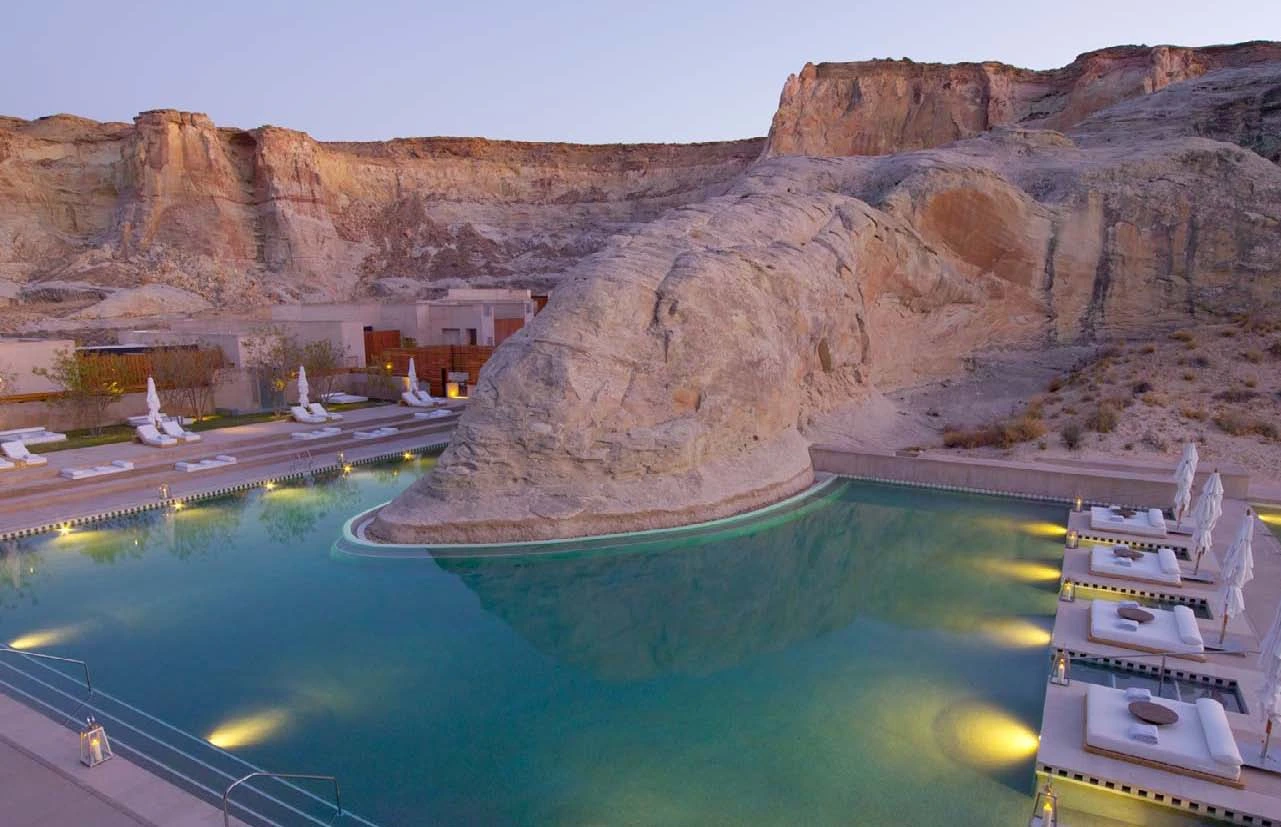
Today, we are in the “Geological Integration” era. Modern facilities are built into the rock formations themselves, utilizing “Thermal Mass” to regulate indoor climates and “Biophilic Design” to ensure the guest never feels separated from the landscape. The focus has moved from “escaping the city” to “realigning with the earth’s frequency.” The modern desert spa is no longer a luxury outlier; it is a center for “Nervous System Governance,” providing the silence necessary to reset the brain’s “Default Mode Network.”
Conceptual Frameworks: The Sensory Envelope and Acoustic Purity
To evaluate a desert destination with precision, one can apply several analytical mental models:
1. The “Desiccation-Rehydration” Cycle
This framework views the guest’s body as a sponge. The desert naturally pulls moisture out (Desiccation), which triggers a survival response in the skin and lungs. When this is followed by a “Precision Rehydration” (high-mineral soaking or IV therapy), the cellular uptake of nutrients is significantly higher than in humid environments. The “Best” facilities utilize this cycle to maximize the efficacy of their topical and systemic treatments.
2. The “Acoustic Purity” Metric
In the desert, the lack of vegetation and the porous nature of sand/rock create a “Deadened Acoustic” environment. This lack of echo and ambient “hum” is rare in the modern world. A high-tier destination protects this “Acoustic Purity” by banning internal combustion engines on property and using architectural “sound-shadows” to ensure that the only sounds are natural (wind, birds, or water).
3. The “Light-Spectrum” Audit
Desert wellness relies on “Chronobiology.” The intensity of the blue light during the day and the total darkness of the “Dark Sky” at night are used to reset the guest’s circadian rhythm. A facility that uses harsh artificial lighting at night is violating the primary “Active Ingredient” of the desert environment.
Key Categories of Desert Wellness and Operational Trade-offs
Identifying the premier locations requires a categorization by “Environmental Intensity.”
| Category | Primary Region | The “Active” Ingredient | Operational Trade-off |
| High-Desert High-Altitude | Sedona, AZ / Utah | UV intensity; Thin air | Altitude sickness risk; Intense cold |
| Low-Desert Geothermal | Palm Springs / Desert Hot Springs | Mineral-rich aquifers; Heat | Extreme summer heat ($115^\circ\text{F}$); Social noise |
| Canyon Isolationist | Tucson / Southern Arizona | Acoustic silence; “Thermal Mass.” | Remote access; Limited “city” amenities |
| Boutique Artistic | Santa Fe / Marfa | Atmospheric light; “Cultural Soul.” | Variable service standards; High price |
| Integrated Bio-Resort | Scottsdale / Vegas Outskirts | High-tech recovery labs | “Mixed-Use” noise; Less natural feel |
Realistic Decision Logic
The decision should follow a “Nervous System Audit.” If an individual is suffering from “Sensory Overload,” the Canyon Isolationist model (e.g., Castle Hot Springs) is the logical choice. If the goal is “Athletic Recovery,” the Low-Desert Geothermal model provides the necessary heat and minerals for muscle repair. The “Best” facility is the one that addresses the guest’s most acute “Resource Depletion.”
Detailed Real-World Scenarios
The “Digital-Overload” Pivot
A guest seeks a total disconnect but is worried about “Signal Withdrawal.”
-
The Solution: A destination that utilizes the natural geography (canyon walls) as a “Faraday Cage.”
-
The Result: The guest is forced into a “Physical Disconnect” that leads to a “Neurological Reset.”
-
Failure Mode: If the facility provides high-speed Wi-Fi in the pool areas, the “Desert Effect” is negated by the constant visual cue of others on devices.
The “Thermal Contrast” Protocol
A guest uses the desert’s diurnal swing for vascular health.
-
The Tool: A $105^\circ\text{F}$ natural spring soak at sunset, followed by a $55^\circ\text{F}$ outdoor “Cold Plunge” as the air temperature drops.
-
The Logic: This “Vascular Gymnastics” flushes the lymphatic system and triggers a deep, restorative sleep cycle.
-
Second-Order Effect: Improved “Heart Rate Variability” (HRV) that persists for weeks after returning home.
Planning, Cost, and Resource Dynamics
The economics of desert wellness are high-capital due to “Utility Management.”
| Resource | Direct Cost | “Shadow” Cost | Strategy |
| Daily Rate | $\$800 – \$2,500$ | Opportunity cost of travel | Book “Shoulder Season” (Oct/May) |
| Water Scarcity Fee | Often hidden | Ecological footprint | Seek properties with “On-site Treatment.” |
| Nutrition | $\$150 – \$300$ / day | High cost of fresh organic logistics | Opt for “All-Inclusive” medical bundles |
| Therapist Gratuity | $20 – 25\%$ | Variable service quality | Confirm “Tip-Inclusive” status |
The “Opportunity Cost” of a poorly chosen stay is high. A week spent at a “Scottsdale Party Hotel” when one needs “Sedona Silence” results in a financial loss and a continued state of physiological depletion. Travelers must evaluate the “Social Load” of the resort before booking.
Tools, Strategies, and Support Systems
-
The “Pre-Arrival” Hydration Protocol: Starting high-mineral water intake 48 hours before landing to buffer against the desert’s “Dry-Air Shock.”
-
Notably, you must prioritize properties with Dark-Sky Certification. These destinations strictly follow International Dark-Sky Association rules. By doing so, they eliminate artificial light pollution. Consequently, this environment ensures that blue light does not interrupt your melatonin production. Indeed, this structural choice protects your circadian rhythm throughout the stay.
-
Circadian-Rhythmic Lighting: Rooms equipped with LEDs that mimic the desert’s natural light spectrum throughout the day.
-
“Earth-Tuning” (Grounding): Dedicated areas for walking barefoot on natural rock or sand to neutralize the “Static Charge” built up in urban environments.
-
Thermal-Mass Architecture: Buildings made of adobe or stone that absorb heat during the day and release it at night, maintaining a “Passive Stable” environment.
-
Xeriscaped Meditation Trails: Paths lined with native flora (lavender, sage, creosote) that release “Stress-Relieving Terpenes” when the sun hits them.
-
Post-Stay “Integration” Coaching: 30 days of remote support to ensure the “Desert Clarity” translates into home-office habits.
Risk Landscape: The Compromise of the “Mixed-Use” Resort
The primary risk in the desert spa destinations USA market is the “Wedding-Convention Conflict.” Many high-end desert spas are located within massive resorts that also host corporate retreats and large-scale weddings.
Taxonomy of Compounding Risks:
-
Acoustic Leakage: The “thump” of a DJ at a poolside wedding penetrating the “Faraday Cage” of your meditation suite.
-
Furthermore, service dilution occurs during major conventions. In these cases, the surge in occupancy overstretches the spa staff. Consequently, the guest receives a “mechanical” treatment rather than an “intuitive” experience. Notably, this systemic failure erodes the asset’s high-fidelity reputation.
-
The “Locker Room Congestion”: A spa designed for 50 guests becomes unusable when 200 wedding guests attempt to use the facilities simultaneously.
Governance and Long-Term Adaptation
To maximize the value of a high-tier stay, the guest must implement “Post-Stay Governance.”
The “Integration” Checklist:
-
Sleep Audit: Did the “Dark Sky” environment improve my deep sleep? How can I replicate $100\%$ darkness at home?
-
Hydration Review: Was my energy higher with the resort’s mineral water? Should I switch to “Alkaline/Mineral” filters at home?
-
The “Noise-Floor” Reset: Monitoring my “Resting Heart Rate” post-stay to see how long the “Desert Silence” effect lasts.
Long-term adaptation involves moving away from the “Once-a-Year Blowout” toward “Quarterly Maintenance” using the desert for reflection, the coast for diagnostics, and the mountains for physical endurance.
Measurement, Tracking, and Evaluation of Success
True success is measured by the “Duration of Effect.”
-
Qualitative Signal: The “Pre-Arrival Anticipation” vs. the “Post-Checkout Clarity.”
-
Quantitative Signal: Reductions in cortisol levels or improvements in “Heart Rate Variability” (HRV) over the 5-day stay.
-
Documentation Example: A “Wellness Passport” provided by the resort that outlines every treatment, the clinician’s notes, and a “Prescription” for home care.
Common Misconceptions and Oversimplifications
-
Myth: “The desert is only for the winter.” Correction: Early summer (May/June) is the “Active Ingredient” season, high heat facilitates the most profound metabolic detox.
-
Myth: “All desert spas are the same.” Correction: The “Chemical Signature” of the water in Desert Hot Springs (high sulfur/silica) is radically different from the water in Sedona (high iron/magnesium).
-
Myth: “You need to drink $8$ gallons of water.” Correction: Over-drinking plain water can flush out electrolytes. You need “Mineral-Dense” hydration, not just volume.
-
Myth: “The desert is for spiritual people only.” Correction: Modern desert spas are high-tech clinical labs; they are for anyone seeking “Biological Optimization.”
-
Myth: “It’s always sunny.” Correction: The “Monsoon Season” (July-Sept) brings dramatic lightning and rain, which creates a high-ozone, high-negative-ion environment that is excellent for mood.
Conclusion: The Synthesis of Earth and Wellness
The evolution of the desert spa in America represents a return to “Primary Climatotherapy.” In an age of digital noise, the ability to submerge in the raw, mineral-rich silence of the arid Southwest is the ultimate luxury. The desert spa destinations that will stand the test of time are those that act as stewards of this energy, providing the architectural and clinical infrastructure to let the landscape do its work.
The hallmark of a world-class desert stay is not the thread count of the sheets, but the clarity of the air and the depth of the silence. Ultimately, success occurs when the guest realizes a fundamental truth. They no longer see the desert as a “void” requiring entertainment. Instead, they perceive the landscape as a “vessel” for their own restoration. Notably, this cognitive shift transforms the entire experience. Instead, they perceive the landscape as a “vessel” for their own restoration. Consequently, this cognitive shift transforms the entire experience. Whether it is through the geothermal springs of the Low Desert or the UV-charged vistas of the High Desert, the objective remains the same: the preservation of human vitality through the architecture of silence.