Top Urban Spa Hotels in America: An Editorial Guide to Metropolitan Wellness
The American urban landscape has undergone a profound transformation in its relationship with human vitality. Historically, the city was viewed as a site of friction, an environment defined by high-intensity stimuli, acoustic pollution, and the persistent “biological load” of a high-stakes professional life. However, in the current 2026 landscape, the premier metropolitan centers of the United States have become the primary theaters for the most sophisticated wellness interventions in the world. Within this context, the high-tier urban spa hotel functions not merely as a lodging asset, but as a “Biological Buffer Zon,e” a controlled environment designed to neutralize the physiological stressors of the surrounding megalopolis.
Selecting an institution within this category requires a departure from traditional hospitality metrics. The value of an urban retreat is no longer found in the opulence of its lobby, but in its “Atmospheric Fidelity.” This refers to the facility’s ability to govern its internal environme,nt controlling light spectra, air filtration, and acoustic vibrations to facilitate deep neurological down-regulation. For the discerning guest, the city hotel is no longer a place to “stay” while doing business; it is a clinical intervention designed to ensure that the individual remains operational in a high-pressure ecosystem.
From a structural perspective, the authority of an urban spa is defined by its “Sensory Engineering.” Unlike desert or mountain retreats, which rely on the raw kinetic energy of the landscape, the urban hotel must manufacture its silence and its “Nature Contact.” This necessitates a radical integration of architectural biophilia and advanced wellness technology. This editorial exploration deconstructs the systemic evolution of these institutions, providing a rigorous framework for evaluating the definitive benchmarks of metropolitan restoration.
Understanding “top urban spa hotels in america”
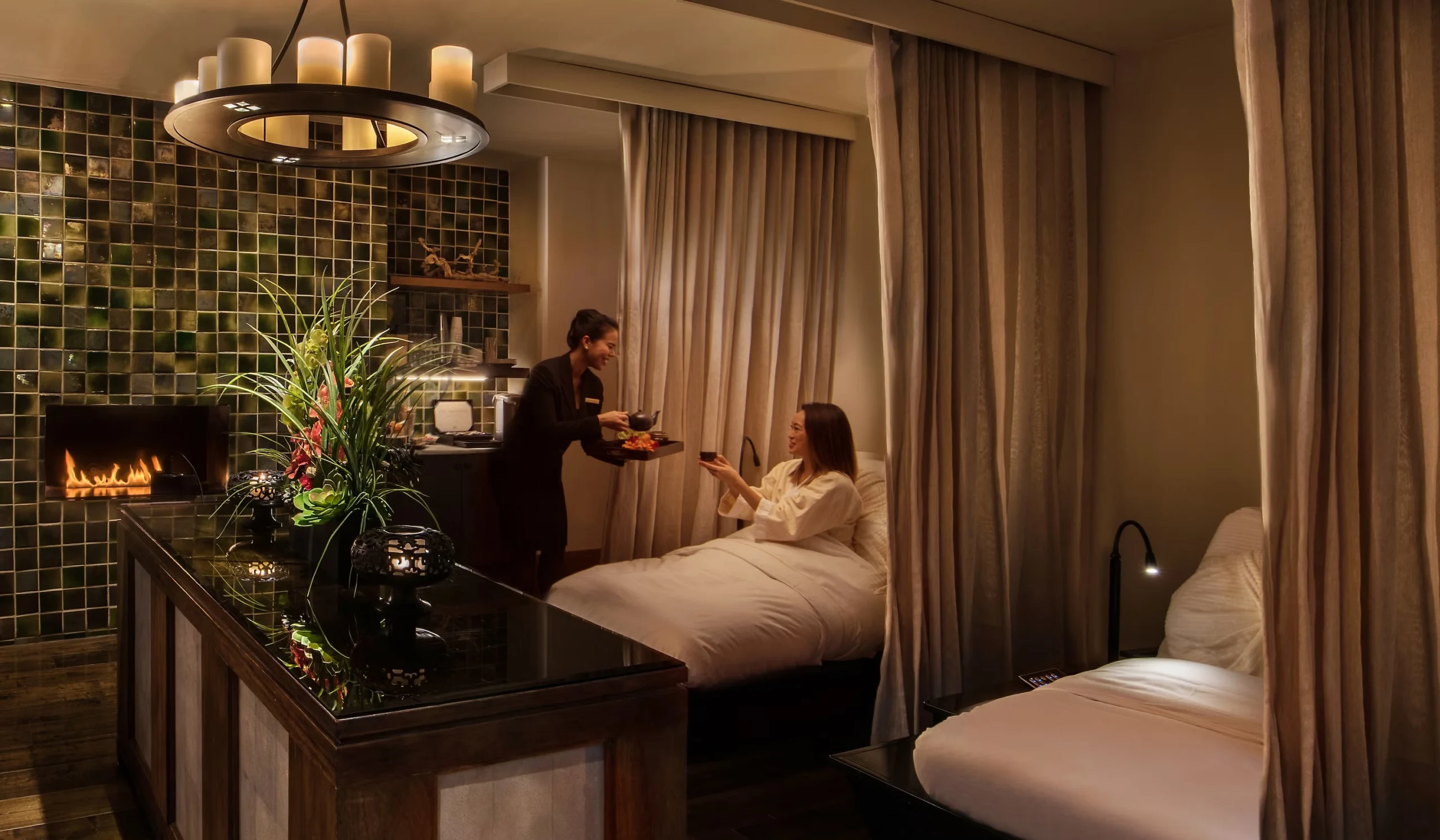
To define the top urban spa hotels Americaica, one must move past the marketing vernacular of “city luxury” and adopt a more rigorous analytical lens. A multi-perspective view reveals that these facilities are “Closed-Loop Recovery Labs.” A common misunderstanding in the hospitality market is the belief that a high-end gym and a sauna constitute an “Urban Spa.” In reality, the premier tier is defined by “Resource Integrity,” specifically, the ability to protect the guest from “Sensory Leakage.” If a hotel overlooks a major intersection but lacks medical-grade acoustic dampening, its “Wellness” claim is functionally void.
Notably, many stakeholders oversimplify the market when they conflate “Urban” with “Amenity-Heavy.” The United States possesses several elite institutions in cities like New York, Chicago, and Los Angeles. In these locations, the operator defines luxury through “Subtraction” rather than “Addition.” Specifically, they work to remove the “Social Load” of the city.
By doing so, they govern “Third-Party Friction” within the facility. This involves isolating wellness floors from the general hotel population, conventions, or public foot traffic. Consequently, the facility ensures a high-fidelity environment. Ultimately, the strategic traveler must distinguish between a “Hotel with a Spa” and a “Wellness-First Urban Asset.” Notably, failing to make this distinction represents a foundational error in travel planning.
Effectively evaluating these hotels requires a “Systems Thinking” approach toward “Environmental Modulation.” Seawater-grade hydrotherapy, sleep-optimized lighting, and neuro-acoustic soundscapes are now the baseline for authority. The most sophisticated institutions utilize AI-driven biometrics to monitor “Real-Time Adaptability” for their guests. Understanding this operational depth is the primary factor in ensuring that a metropolitan stay translates into a “Biological Recalibration.”
Deep Contextual Background: From Turkish Baths to Bio-Optimization
The American urban wellness tradition has moved through three distinct “Eras of Intent.” The first, the “Public-Hygiene Era” (late 19th and early 20th centuries), saw the rise of the great Turkish and Russian baths in cities like New York and San Francisco. These were sites of communal detoxification, born from a necessity to address the physical grime of the industrial revolution. They established the concept that the city dweller required a “Thermal Reset” to remain productive.
The “Second Generation” emerged in the 1990s with the “Hotel Spa Boom.” This era introduced the “Day Spa” concept within luxury hotels, focusing primarily on “Aesthetic Maintenance” and “Stress Management.” Wellness became a peripheral luxury, symbolized by the white robe and the cucumber-water ritual. However, the interventions remained largely subjective and standardized; the hotel environment itself remained largely disconnected from the therapeutic process.
We are currently in the “Precision-Modulation Era.” Driven by the demands of the high-stakes “Cognitive Class,” top urban spa hotels inAmericaa now function as specialized laboratories. The focus has shifted from “Escaping the City” to “Mastering the City.” This era is defined by the integration of clinical science, such as IV nutrient therapy, cryotherapy, and circadian-rhythm lightin,g into the fabric of the building itself. The modern urban spa hotel is no longer an amenity; it is a “Protective Envelope” that allows the individual to operate at a high frequency while maintaining systemic health.
Conceptual Frameworks: The Sensory Envelope and Circadian Governance
To navigate the metropolitan wellness market, travelers can utilize specific mental models to assess the depth of a hotel’s offering:
1. The “Sensory Envelope” Model
This framework posits that a healing environment is only as strong as its weakest “leak.” If a facility has world-class clinical staff but utilizes loud, industrial HVAC or harsh fluorescent lighting in transition zones, the “Sensory Envelope” is compromised. The premier tier manages the “Soundscape” and “Aromascape” through specialized engineering, ensuring the nervous system remains in a state of “Parasympathetic Dominance.”
2. The “Circadian Governance” Framework
Urban environments are notoriously “Light-Polluted.” This model assesses how well a hotel synchronizes the guest’s internal clock with the natural light cycle despite the city’neon glowow. The best institutions use “Tunable LED Systems” that mimic the light spectrum of the sun throughout the day and eliminate blue-light exposure after sunset, facilitating a deep, metabolic sleep.
3. The “Biophilic Density” Metric
In a concrete environment, “Nature Contact” must be manufactured. This model measures the degree to which the architectural environment mimics natural biological systems. This involves not just plants, but fractal patterns in design, natural materials (stone, wood), and the use of “Water Gravity” to create acoustic masks for city noise.
Key Categories of Urban Wellness and Operational Trade-offs
Identifying the premier locations requires a categorization by “Strategic Focus.”
| Category | Primary Focus | The “Active” Ingredient | Operational Trade-off |
| High-Tech Recovery | Performance | Cryo, IVs, Bio-hacking | Clinical feel; High-tech noise |
| Thalasso-Metropolitan | Musculoskeletal | Seawater pools; Marine mud | High humidity; Limited city views |
| Zen-Minimalist | Psychological | Silence; Void-space design | Can feel cold/isolated |
| Boutique-Artistic | Cultural | Light, Art, “Soul” | Variable service standards |
| Integrated Bio-Resort | Whole-System | Sleep labs; Nutrition | High cost; Large scale |
Realistic Decision Logic
The decision should be based on a “Current State vs. Desired State” audit. If an individual is suffering from “Cognitive Congestion” in New York, the Zen-Minimalist model (e.g., Aman New York) provides the “Acoustic Purity” needed for reset. If the issue is “Jet Lag and Metabolic Stress” in Los Angeles, the High-Tech Recovery model provides the clinical “Hard-Reset” required.
Detailed Real-World Scenarios
The “Financial-District” Burnout Reset
An executive in Manhattan seeks a 48-hour “Hard-Reset” after a major transaction.
-
The Strategy: A stay in a hotel utilizing “Neuro-Acoustic Sleep Rooms” and “In-Suite Infrared Saunas.”
-
The Tool: 30 minutes of “Vagus Nerve Stimulation” followed by a 3-hour “Digital-Detox” protocol.
-
Failure Mode: If the hotel allows social events in the lobby area, the “Neurological Buffer” is broken before the guest even reaches the elevator.
The “Multi-Timezone” Optimization
A creative professional landing in Los Angeles after a flight from Tokyo.
-
The Logic: Using “Circadian-Rhythmic Lighting” and “IV Hydration” to bypass the 72-hour jet-lag window.
-
Decision Point: Choosing a facility with “Zero-Gravity Float Tanks” to decompress the spine and reset the vestibular system.
-
Second-Order Effect: Immediate cognitive clarity, allowing for a high-stakes presentation within 4 hours of landing.
Planning, Cost, and Resource Dynamics
The “Cost of Urban Restoration” is influenced by “Real Estate Scarcity” and “Environmental Management.”
| Resource | Direct Cost | “Shadow” Cost | Strategy |
| Daily Rate | $1,200 – $4,000 | Opportunity cost of city time | Focus on “24-Hour” intensive packages |
| Bio-Diagnostic Fee | $500 – $1,500 | Variable data portability | Request “Exportable” lab results |
| Spa-Access Fee | Often Included | “Social Load” of shared spaces | Seek “Guest-Only” floor access |
| Nutrition | $150 – $300 / day | Hidden sugars/caffeine | Opt for “Metabolic Menu” options |
The “Privacy Premium”
One must account for the “Privacy Ratio.” The top urban spa hotels inAmericaa are those that have successfully “Privatized the Silence” ensuring that the wellness facilities are not a “Day-Pass” destination for the public. This “Space-to-Guest” ratio is the most accurate indicator of a retreat’s true authority tier.
Tools, Strategies, and Support Systems
-
Faraday-Cage Lining: Guest suites with materials that block EMF (Electromagnetic Fields) to improve deep-sleep metrics.
-
Tunable LED Systems: Lighting that shifts from 6500K (Blue/Morning) to 2700K (Amber/Evening) to protect melatonin production.
-
HEPA-13 Air Governance: Systems that filter out PM2.5 pollutants and maintain “Hospital-Grade” air purity in every suite.
-
Neuro-Acoustic Soundscapes: Spatial audio designed to trigger Alpha and Theta brainwaves, masking city sirens and hum.
-
In-Room Cryo-Chambers: Small-scale liquid nitrogen or electric cryo-units for immediate systemic inflammation reduction.
-
“Metabolic” Mini-Bars: Replacing traditional snacks with NAD+ precursors, electrolytes, and collagen-based nutrients.
-
Post-Stay “Integration” Coaching: 30 days of remote support to ensure the habits formed at the hotel survive the return to the “Default World.”
Risk Landscape and Failure Modes
The primary risk in urban wellness is “Atmospheric Contamination.”
Taxonomy of Risks:
-
Acoustic Pollution: The “thump” of a rooftop bar or a nearby construction site penetrating the “Sensory Envelope.”
-
Service Dilution: Hotels that prioritize their “F&B” (Food and Beverage) revenue over the “Silence” of the wellness floors.
-
The “Luxury Echo Chamber”: Resorts that prioritize “Instagrammable” aesthetics (e.g., glass walls) over clinical efficacy (e.g., light-blocking).
-
Micro-Vibration: Subterranean trains or HVAC systems that create a persistent “hum” that prevents the nervous system from entering a deep rest state.
Governance, Maintenance, and Long-Term Adaptation
To maximize the value of a high-tier urban stay, the guest must implement “Post-Stay Governance.”
The “Integration” Checklist:
-
Sleep Audit: Did the “Circadian Lighting” improve my deep sleep? How can I replicate that lighting-shift at home?
-
Acoustic Review: Was my resting heart rate lower in the hotel’s “Silence”? Should I invest in active sound-masking for my bedroom?
-
The “Noise-Floor” Reset: Monitoring “Heart Rate Variability” (HRV) post-stay to see how long the “City Buffer” effect lasts.
Long-term adaptation involves moving away from the “Once-a-Year Treat” toward “Quarterly Urban Maintenance” using the city sanctuary to recalibrate before the next high-performance cycle.
Measurement, Tracking, and Evaluation
-
Leading Indicators: Changes in Heart Rate Variability (HRV) and “Respiratory Rate” during the 48-hour stay.
-
Lagging Indicators: Reductions in perceived stress and improved “Cognitive Endurance” 30 days post-stay.
-
Documentation: A “Wellness Passport” is a unified digital record of all treatments, metabolic data, and clinician notes provided by the hotel.
Common Misconceptions and Oversimplifications
-
Myth: “The most expensive hotel has the best spa.” Correction: Expense often goes toward “Social Status” (lobbies, views) rather than “Biological Efficacy” (acoustic dampening, air filtration).
-
Myth: “You need a week to see results.” Correction: In an urban bio-optimization lab, a 48-hour intensive can reset the “Hormonal Baseline” through precision interventions.
-
Myth: “I can get the same results at a day spa.” Correction: Day spas lack the “Sleep-Optimization” element, which is where $80\%$ of systemic recovery occurs.
-
Myth: “Hotel gyms are just for vanity.” Correction: Modern urban wellness gyms focus on “Functional Longevity” and “Mitochondrial Health,” not just aesthetics.
-
Myth: “City hotels are too noisy for wellness.” Correction: Advanced acoustic engineering can create a “Lower Decibel Environment” in a Manhattan hotel than in many rural resorts.
Conclusion: The Synthesis of Concrete and Calm
The evolution of the urban spa hotel in America represents a return to “Environmental Governance.” In an age of digital noise and city-induced burnout, the ability to submerge in a governed, “High-Purity” metropolitan envelope is the ultimate luxury. The top urban spa hotels in America are those that act as stewards of this energy, providing the architectural and clinical infrastructure to let the individual reset without leaving the field of play.
Success in this market is found when the traveler stops looking at the city as an “obstacle” and starts seeing the hotel as a “vessel.” Whether it is through the thalassotherapy of the West Coast or the bio-optimization labs of the East, the objective remains the same: the preservation of human vitality through the architecture of silence. The luxury is not the view of the skyline; it is the clarity of the mind that wakes up within it.