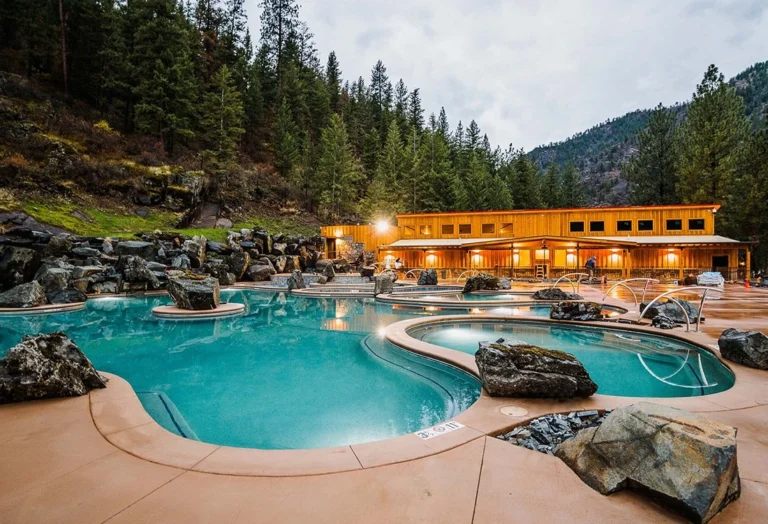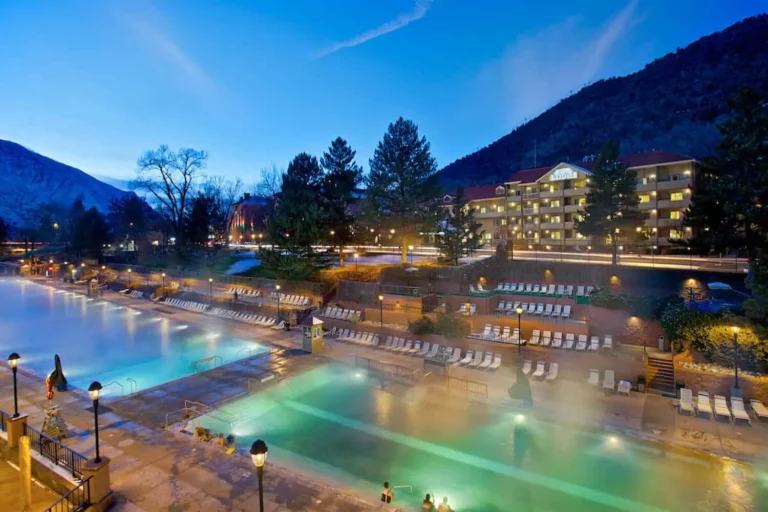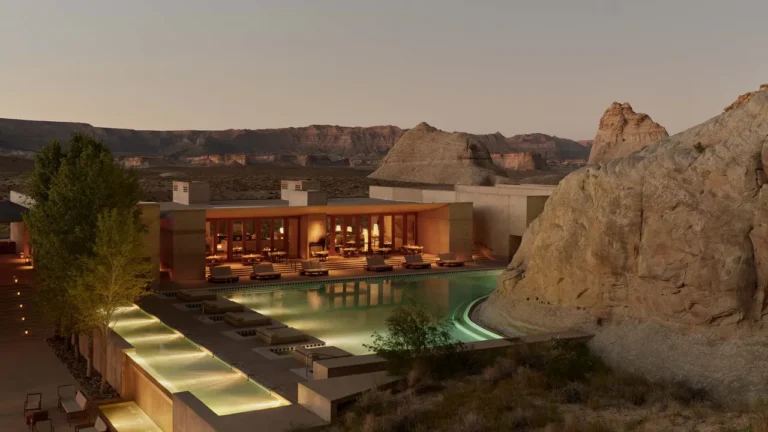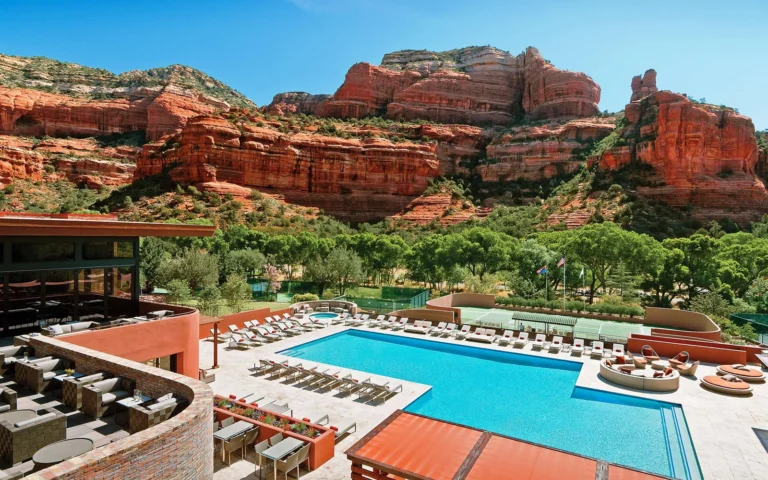
Luxury Mountain Spa America: An Editorial Guide to Alpine Wellness
The American mountain landscape has evolved into a specialized theater for physiological and psychological down-regulation. In the high-altitude regions of the Rockies, the Appalachians, and the Sierra Nevada, wellness is no longer a peripheral amenity but a core operational philosophy. These environments leverage the unique stressors of the alpine climate, lower oxygen saturation, intense ultraviolet radiation, and extreme temperature fluctuation,s to trigger adaptive biological responses. Within this context, the high-tier mountain resort functions as an interventionist space where architectural intent and clinical expertise converge to reset the guest’s “Internal Baseline.”
Selecting a destination within this category requires an understanding of “Environmental Flux.” Unlike desert or coastal spas, mountain facilities are subject to radical seasonal shifts that redefine their therapeutic utility. A winter stay focuses on “Thermal Contrast” and recovery from high-intensity cold-weather exertion, while a summer retreat emphasizes “Forest Phytoncides” and aerobic conditioning. This seasonality creates a “Dynamic Operational Load” for the resort, necessitating a staff that is equally proficient in sports massage and high-altitude metabolic monitoring.
For the discerning individual, the value of a mountain retreat lies in its “Atmospheric Purity” and “Acoustic Silence.” The vastness of the vertical landscape acts as a natural buffer against the “Peripheral Sensory Load” of urban life. However, the complexity of managing luxury at $8,000$ feet presents significant logistical and physiological challenges. This editorial exploration deconstructs the systemic mechanics of high-altitude wellness, providing a rigorous framework for evaluating the institutions that define the current pinnacle of mountain-based restoration.
Understanding “luxury mountain spa ameri.ca”
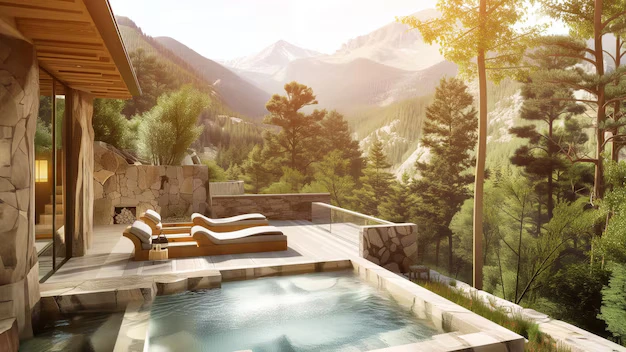
To define Luxury Mountain Spa America accurately, one must move beyond the visual tropes of log cabins and stone fireplaces. From a multi-perspective view, these facilities are “High-Altitude Recovery Labs.” A common misunderstanding in the hospitality market is the belief that “Luxury” is defined by the price of the suite or the brand of the skincare products used. In the alpine sector, true luxury is defined by “Physiological Safety” and “Environmental Integration.” Because high-altitude environments place a significant load on the cardiovascular system, a premier spa must integrate medical-grade oxygen management and hydration protocols into its standard service flow.
The risk of oversimplification arises when travelers fail to distinguish between a “Ski Resort Spa” and a “Mountain Wellness Destination.” A Ski Resort Spa is a volume-based facility designed to soothe the muscles of transient guests after a day on the slopes; it often suffers from high social density and noise. A Mountain Wellness Destination is a “Sanctuary Environment” where every operational lever, from the mineral content of the soaking tubs to the “Silent Zone” governance,e is tuned to facilitate deep cellular repair. The “Best” in this category solves the “Crowd-to-Quiet” ratio, ensuring that the majesty of the peaks is not undermined by the logistics of a mass-market resort.
Effectively evaluating these destinations requires a “Systems Thinking” approach toward “Hypoxic Conditioning.” The thinner air at high altitudes is a stressor that, if managed correctly, improves mitochondrial efficiency and aerobic capacity. A facility that ignores this by, for example, offering high-intensity workouts without proper acclimatization windows is operating at a lower tier of authority. Understanding this distinction is the primary factor for ensuring that the guest’s intent, ent be it performance optimization or chronic stress recovery, very much aligns with the resort’s clinical reality.
Deep Contextual Background: From Sanatoriums to Alpine Bio-Labs
The American mountain wellness tradition is rooted in the “High-Altitude Cure” of the late 19th century. Locations like Saranac Lake in the Adirondacks and Colorado Springs in the Rockies were established as clinical retreats for respiratory ailments, specifically tuberculosis. The “Active Ingredient” was the sterile, dry air and the intense solar radiation of the high peaks. These early institutions established the concept that the mountain environment was a literal “Prescription,” requiring a disciplined regime of rest and exposure.
In the mid-20th century, the focus shifted toward “Physical Culture” and the rise of the American ski industry. Wellness became an auxiliary to sport. However, the late 1990s saw the emergence of the “European-Style Alpine Spa” in the U.S., which introduced the concept of “Balneotherapy” (mineral bathing) and “Kneipp Therapy” (thermal contrast) into the American mountains. This era moved the spa from the basement of the hotel to its architectural center, utilizing glass and stone to bring the peaks into the treatment room.
Today, we have entered the “Precision Alpine” era. Modern luxury mountain spa America destinations incorporate sleep-labs that monitor the effects of altitude on REM cycles, and utilize “Altitude-Adjusted Nutrition” to counter the oxidative stress of high-elevation living. The focus has moved from “escaping the heat” to “mastering the altitude,” reflecting a shift in the target audience from the leisure traveler to the high-stakes professional seeking to extend their “Biological Runway.”
Conceptual Frameworks: Hypoxic Stress and Thermal Contrast
To analyze the efficacy of a mountain destination, travelers can apply several analytical mental models:
1. The “Hypoxic Adaptation” Framework
This model views the altitude not as a vacation backdrop, but as a “Biological Stimulus.” The lower oxygen pressure triggers the production of Erythropoietin (EPO), increasing red blood cell count. A high-tier destination utilizes this “Adaptive Window” to pair aerobic activity with high-nutrient feeding and deep sleep, maximizing the guest’s physiological “Up-Regulation.”
2. The “Thermal Contrast” Hierarchy
Mountain wellness relies on the “Vasoconstriction-Vasodilation” cycle. The contrast between sub-freezing alpine air and $104^\circ\text{F}$ mineral springs stimulates the lymphatic system and the vagus nerve. The “Best” facilities provide a “Thermal Ladder” from snow-rooms and cold plunges to dry saunas, and steam roomensuring the body is forced through a complete vascular “reset.”
3. The “Forest Phytoncide” Metric
In the sub-alpine forests (conifers, pines, firs), trees release organic compounds called “Phytoncides” to protect themselves from insects. Research indicates that inhaling these compounds increases “Natural Killer” (NK) cell activity in humans. A premier mountain spa incorporates “Guided Forest Bathing” as a clinical intervention, not just a casual walk.
Key Categories of Mountain Wellness and Trade-offs
Identifying the premier locations requires a categorization by “Geological Signature.”
| Category | Primary Region | The “Active” Ingredient | Operational Trade-off |
| High-Alpine High-Tech | Rockies (CO, UT) | Intense UV; Hypoxic air | Altitude sickness risk; Arid skin |
| Temperate Rainforest | Pacific NW (OR, WA) | Phytoncides; High humidity | Limited sun; Constant moisture |
| Appalachian Mineral | VA, NC, WV | Historic mineral springs | Aging infrastructure; Lower peaks |
| Sierra Nevada Granite | CA, NV | Direct solar exposure; Granite | Extreme seasonality; Crowded access |
| Isolated Backcountry | MT, WY, ID | Acoustic silence; Wildlife | Remote access; Limited medical tech |
Realistic Decision Logic
The decision should follow a “Metabolic Audit.” If an individual is suffering from “Inflammatory Fatigue,” the Temperate Rainforest model (e.g., the Pacific Northwest) provides the humidity and cooling air necessary to calm the system. However, if the goal is “Athletic Peak Performance,” the High-Alpine model in the Rockies provides the hypoxic stress required to boost red blood cell efficiency.
Detailed Real-World Scenarios
The “Altitude-Induced Insomnia” Paradox
A guest from sea level travels to a high-altitude resort in Colorado but finds they cannot sleep.
-
The Problem: Lower oxygen levels can cause “Periodic Breathing” at night, disrupting sleep architecture.
-
The Solution: A high-tier resort provides in-room oxygen enrichment and “Sleep-Tracking Labs” that adjust the guest’s evening magnesium and potassium intake.
-
The Failure: A facility that simply offers a “relaxation massage” to fix altitude-induced sleep issues is failing to address the underlying physiological cause.
The “Post-Exertion Inflammatory” Recovery
An avid hiker spends 6 hours on the trail and returns with significant muscle soreness and heat.
-
The Tool: A “Cryo-Thermal Circuit” involving 3 minutes in a cold-plunge ($50^\circ\text{F}$) followed by 10 minutes in a mineral-rich sulfur tub.
-
The Result: The cold-water immersion suppresses the inflammatory cytokine response, while the mineral heat facilitates lactic acid flush.
-
Second-Order Effect: The guest is able to perform a high-intensity activity the following day without a decrease in power output.
Planning, Cost, and Resource Dynamics
The “Total Cost of Ownership” for a mountain wellness stay must account for “Adaptation Time.”
| Expense Factor | Mid-Tier Resort | Ultra-Performance Tier | Strategy |
| Daily Rate | $\$700 – \$1,200$ | $\$2,500 – \$5,000$ | Look for “Acclimatization Bundles” |
| Oxygen Support | $\$50 – \$100$ / day | Often Included | Confirm in-room O2 availability |
| Diagnostic Labs | N/A | $\$1,000 – \$2,500$ | Request “Metabolic Baseline” testing |
| Nutrition | A la carte | Bespoke / Pre-set | Audit for “High-Altitude Digestive” support |
Indirect Costs: The “Altitude Tax”
The primary indirect cost is “Time.” A 3-day stay at high altitude is often inefficient because the body spends the first 48 hours in a “State of Shock.” To achieve a true “Return on Health,” a mountain stay should be a minimum of 5 to 7 days, allowing for the “Adaptation Window” to close and the “Recovery Window” to open.
Tools, Strategies, and Support Systems
-
In-Room Oxygen Enrichment: Systems that increase the O2 concentration in the suite to $24\%$ (simulating a lower elevation) for improved sleep quality.
-
Hypobaric Chambers: Using negative pressure to simulate even higher altitudes for “Pre-Acclimatization” or intense athletic conditioning.
-
Hydro-Massage Circuits: Utilizing high-pressure jets to target the “Deep Fascia” of the lower body, which is under the most stress in mountain environments.
-
Circadian-Rhythmic Lighting: Tunable LED systems that mimic the intense mountain sun during the day and fade to warm, blue-light-free amber in the evening.
-
Altitude-Specific Nutrition: Menus high in iron, Vitamin C, and complex carbohydrates to support red blood cell production and digestive efficiency.
-
“Silent Floor” Governance: Management protocols that guarantee zero hallway noise between 8 PM and 8 AM to protect the fragile sleep architecture of guests.
-
Wearable Data Integration: Spas that sync with a guest’s Oura or Whoop data to adjust the intensity of their morning hike or massage session based on their “Readiness Score.”
Risk Landscape: The Compromise of the “Mixed-Use” Resort
The primary risk in the luxury mountain spa America market is the “Ski-Party Overlap.” Many elite mountain spas are located within massive resorts that host corporate conventions, large-scale weddings, and high-volume ski traffic.
Taxonomy of Risks:
-
Acoustic Pollution: The “thump” of a nightclub or a loud wedding reception penetrating the “Faraday Cage” of a wellness suite.
-
Staff Dilution: During “Peak Ski Season,” spa staff may be diverted to general hospitality duties, or the spa itself may be overbooked, leading to a “mechanical” treatment experience.
-
The “Locker Room Congestion”: A spa designed for 40 guests becomes unusable when 100 cold, tired skiers attempt to use the steam room simultaneously.
Governance and Long-Term Adaptation
To maximize the value of a high-altitude stay, the guest must implement “Post-Stay Governance.” This involves a “Re-Entry Protocol” to maintain the increased red blood cell efficiency.
The “Integration” Checklist:
-
Sleep Audit: Did the high-altitude environment improve or hinder my sleep? How can I replicate the resort’s “Dark-Sky” environment at home?
-
Nutritional Pivot: Which specific high-altitude foods (e.g., iron-rich greens, adaptogenic herbs) can be integrated into my daily routine?
-
The “HRV” Benchmark: Monitoring Heart Rate Variability for 14 days post-stay to see how long the “Mountain Effect” persists.
Long-term adaptation involves moving away from the “Once-a-Year Blowout” toward “Quarterly Maintenance” using the high peaks for aerobic conditioning and the temperate forests for psychological down-regulation.
Measurement, Tracking, and Evaluation
-
Leading Indicators: Increases in HRV and deep sleep duration during the stay.
-
Lagging Indicators: Improved aerobic capacity (VO2 Max) and reduced systemic inflammation 60 days post-stay.
-
Documentation: A “Wellness Passport” provided by the resort that outlines every treatment, metabolic data, and a “Prescription” for home care.
Common Misconceptions and Oversimplifications
-
Myth: “Drinking alcohol at altitude is the same as at sea level.” Correction: Alcohol is metabolized differently; the dehydration and sleep disruption are magnified $3\text{X}$ in thin air.
-
Myth: “A mountain spa is only for winter.” Correction: The “Active Ingredients” (Phytoncides and UV) are at their peak in the summer.
-
Myth: “You only need to drink water to stay hydrated.” Correction: You need “Electrolyte-Dense” hydration to counter the “Osmotic Pull” of dry mountain air.
-
Myth: “Altitude sickness only happens above $10,000$ feet.” Correction: Sensitive individuals can experience symptoms at $5,000$ feet (e.g., Denver or Asheville).
-
Myth: “The most famous resorts are the best.” Correction: Fame leads to “Volume,” which destroys the “Acoustic Silence” necessary for deep healing.
Conclusion: The Synthesis of Earth and Wellness
The evolution of the mountain spa in America represents a return to “Primary Medicine.” In an age of digital noise, the ability to submerge in the raw, hypoxic silence of the high peaks is the ultimate luxury. The luxury mountain spa America destinations that will stand the test of time are those that act as stewards of this energy, providing the architectural and clinical infrastructure to let the landscape do its work.
The hallmark of a world-class mountain stay is not the thread count of the sheets, but the clarity of the air and the depth of the silence. Success is found when the guest realizes that the mountains are not a “background” for entertainment, but a “vessel” for their own restoration. Whether it is through the thermal springs of the Appalachians or the high-altitude bio-labs of the Rockies, the objective remains the same: the preservation of human vitality through the architecture of silence.