Best Coastal Spa Retreats USA: An Editorial Guide to Maritime Wellness
The American coastline serves as a unique physiological interface. Notably, the intersection of saline air, rhythmic acoustics, and high-density negative ions creates a specialized environment for human down-regulation. In the high-performance hospitality sector, the transition from a “beach hotel” to a coastal wellness sanctuary is defined by the intentionality of this interface.
While a standard resort might offer views of the water, a premier retreat treats the ocean as a primary therapeutic agent. Consequently, these facilities utilize thalassotherapy, the use of seawater, seaweed, and marine climate, to facilitate systemic recovery. This process is not merely aesthetic. Instead, it is a bio-mechanical intervention. It directly addresses the chronic inflammatory states common in modern, high-stress professional lives.
Maritime Microclimates: The “Active Ingredients” of the American Coast
Within the United States, coastal wellness is segmented by distinct maritime microclimates. For instance, the Pacific coastline facilitates a different biological response than the Atlantic lagoons. The Pacific is characterized by high-energy waves and cold-water upwelling. In contrast, the Atlantic offers temperate, saline-heavy systems, while the Gulf Coast provides humid, sub-tropical environments.
These variations dictate the “Active Ingredient” of the stay. The cold-water exposure of the California coast triggers a robust sympathetic-to-parasympathetic shift. Meanwhile, the mineral-rich muds of the Florida coast focus on transdermal detoxification. Selecting the appropriate destination requires a nuanced understanding of these “Coastal Dynamics.” Indeed, one must analyze how these elements interact with an individual’s current metabolic state.
Environmental Fidelity and Biophilic Structural Integration
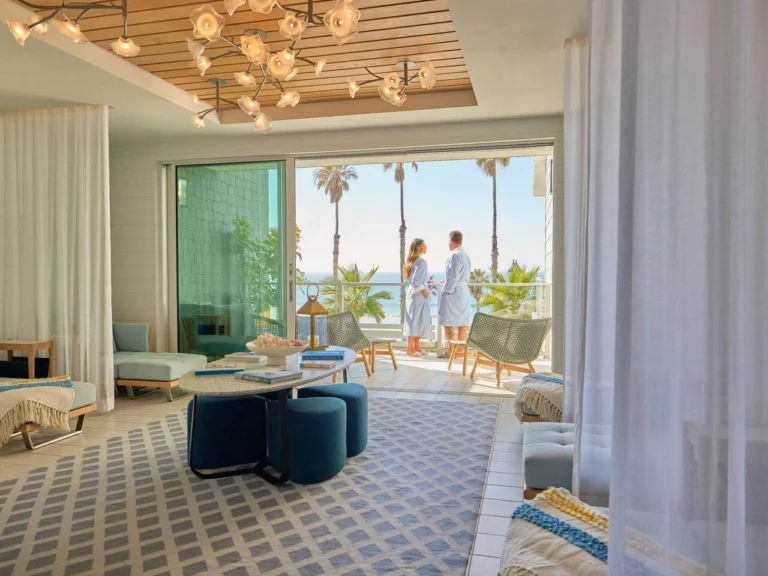
From a structural perspective, the authority of a coastal retreat is found in its “Environmental Fidelity.” This refers to how effectively the facility integrates the outdoor marine environment into its clinical protocols. A retreat that operates in a sealed, air-conditioned bubble fails to leverage its most potent asset. Specifically, it becomes disconnected from saline air and natural light cycles.
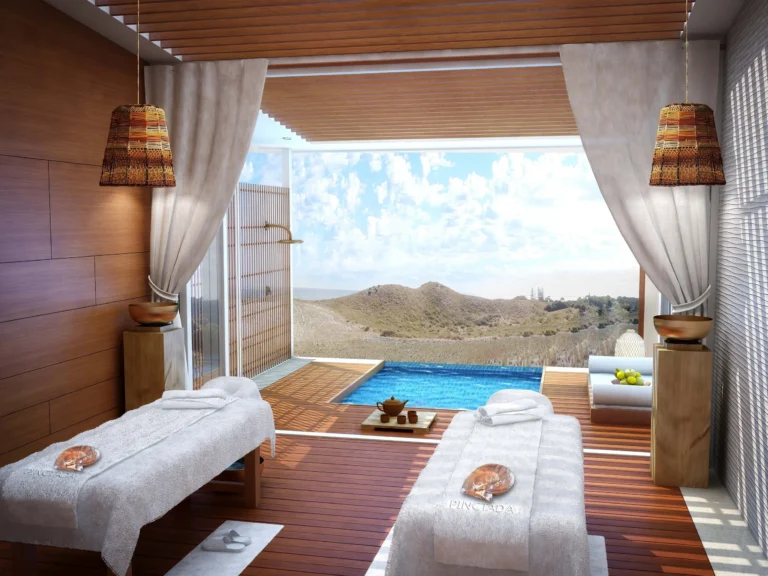
The highest tier of coastal hospitality emphasizes “Biophilic Integration.” By doing so, they ensure that the architectural envelope serves as a conduit rather than a barrier. This editorial exploration deconstructs the systemic evolution of these institutions. Ultimately, it provides a framework for identifying the definitive benchmarks of maritime restoration.
Understanding “best hot spring hotels united states”
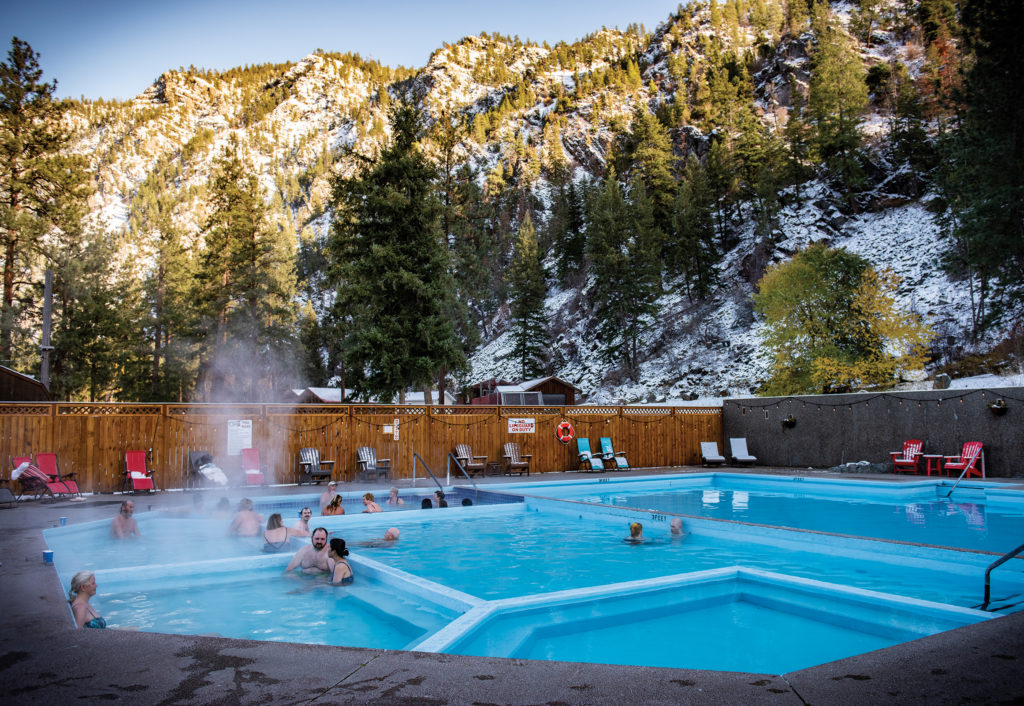
To define the best coastal spa retreats usa, one must move beyond the marketing vernacular of “oceanfront luxury” and adopt a more rigorous analytical lens. A multi-perspective view reveals that these facilities are “Aqueous Recovery Labs.” A common misunderstanding in the travel market is the belief that proximity to the ocean is sufficient for wellness. In reality, true coastal restoration requires the management of “Aerosolized Minerals” and “Acoustic Frequency.” A facility that overlooks the water but is subjected to the noise of jet skis or heavy coastal traffic is failing to provide the “Acoustic Purity” necessary for a deep neurological reset.
The risk of oversimplification arises when “Coastal” is conflated with “Tropical.” The United States possesses some of the most effective wellness environments in high-latitude, temperate zones such as the rugged cliffs of Oregon or the serene islands of Maine, where the “Cold-Water Stimulus” is a primary therapeutic driver. In these regions, the luxury is defined by “Protection from the Elements” while remaining immersed in them. Conversely, sub-tropical destinations in Florida or Hawaii utilize “Thermal Humidity” to facilitate lymphatic drainage. A failure to distinguish between these thermal profiles often leads to a mismatch between the guest’s biological needs and the resort’s environmental capacity.
Effectively evaluating these retreats requires a “Systems Thinking” approach toward “Saline Immersion.” Seawater contains approximately 92 minerals that are vital to human biological function. The premier institutions in the U.S. utilize “Medical-Grade Thalasso-Pools” facilities that pump, filter, and heat seawater to $98^\circ\text{F}$ to allow for transdermal mineral absorption without the use of harsh chemicals. Understanding this operational depth is the primary factor in ensuring that a “beach vacation” translates into a “biological recalibration.”
Deep Contextual Background: The Evolution of Thalassotherapy in America
The American maritime wellness tradition is an adaptation of the European “Bains de Mer” movement of the 18th and 19th centuries. Historically, coastal retreats were established as sanatoriums for “nervous exhaustion” and “melancholy.” Early Atlantic hubs like Cape May and Martha’s Vineyard were founded on the belief that the “Oceanic Breath,” the high-oxygen, iodine-rich air,r was a literal cure for the industrial smog of New York and Philadelphia. These locations were the first generation of American wellness destinations, emphasizing passive exposure and social prestige.
The “Second Generation” emerged in the mid-20th century with the rise of California’s “Holistic Coastline.” This era introduced active movement surfing, ocean swimming, and beach yoga into the wellness lexicon. It moved the focus from passive “convalescence” to active “vitality.” This was the period when the Pacific Northwest began to be recognized for its “Forest-to-Ocean” connectivity, where the terpenes of the coastal pines merged with the saline aerosols of the sea, creating a potent atmospheric cocktail.
Today, we have entered the “Third Generation”: the era of “Precision Maritime Wellness.” Modern best coastal spa retreatUSAsa integrate advanced marine biology with high-tech recovery. We see the use of “Marine DNA” in skincare, concentrated algae wraps for heavy-metal detoxification, and “Blue Mind” workshops that utilize the neuroscience of water to treat chronic anxiety. The modern coastal retreat is no longer a place of leisure; it is a specialized environment for the “Governance of Human Vitality,” utilizing the ocean’s immense kinetic energy to reset the guest’s “Default Mode Network.”
Conceptual Frameworks: The Blue Mind and Saline Osmosis
To navigate the high-end coastal market, travelers can utilize specific mental models to assess the depth of a retreat’s offering:
1. The “Blue Mind” Framework
Coined by marine biologists, this model posits that the human brain is naturally “wired” for water. Being near, in, or under water triggers a state of “Mild Meditativeness” characterized by calmness and creative insight. A premier coastal retreat manages its architecture to maximize “Visual Water Access” and “Acoustic Proximity,” ensuring the guest is never more than 30 seconds away from a maritime stimulus.
2. The “Saline-Osmosis” Audit
This framework views the skin as a semi-permeable membrane. The high mineral concentration of the sea acts as a “Pump” for toxins. The “Best” facilities utilize “Raw Seawater Hydro-Circuits” rather than chlorinated pools. If a coastal resort uses standard tap water in its spa, it is missing the primary “Active Ingredient” of its location.
3. The “Aerosolized Iodine” Metric
Coastal air is saturated with iodine, magnesium, and salt. Research indicates that inhaling these aerosols improves respiratory function and boosts immune response. A high-tier retreat utilizes “Open-Air Treatment Pavilions” or sophisticated air-filtration systems that maintain this mineral density indoors, ensuring the “Healing Environment” is constant.
Key Categories of Coastal Wellness and Trade-offs
Identifying the premier locations requires a categorization by “Marine Intensity.”
| Category | Primary Region | The “Active” Ingredient | Operational Trade-off |
| High-Energy Pacific | Big Sur, CA / Oregon | Cold-water upwelling; Ozone | Physical intensity; Difficult access |
| Temperate Atlantic Island | Maine / Nantucket | Iodine density; Pine forests | Extreme seasonality; Social exclusivity |
| Sub-Tropical Lagoon | Florida Keys / SC | High humidity; Mineral muds | High insect density; Social noise |
| Pacific Archipelago | Hawaii / Maui | Volcanic minerals; Humidity | Extreme travel distance; Jet lag risk |
| Gulf Coast Sanctuary | Alabama / FL Panhandle | High saline content; Warm water | Hurricane risk; Over-development |
Realistic Decision Logic
The decision should follow a “Nervous System Audit.” If a guest is in a state of “High-Inflammatory Burnout,” the High-Energy Pacific model (e.g., Big Sur) provides the “Cold-Shock” necessary to reset the system. However, if the goal is “Chronic Pain Management,” the Sub-Tropical Lagoon model provides the heat and buoyancy required to ease joint pressure.
Detailed Real-World Scenarios
The “Executive Burnout” Recovery on the Pacific Coast
A professional seeks to disconnect from a hyper-connected role.
-
The Choice: A cliffside retreat that uses the sound of 15-foot swells as a “Natural White Noise” to drown out cognitive loops.
-
The Tool: Ocean-immersion therapy followed by a seaweed wrap and a “Digital Lockbox” protocol.
-
Failure Mode: If the facility has “Weak Acoustic Barriers,” the sound of passing cars or resort staff can break the “Flow State” induced by the waves.
Post-Operative Recovery at an Atlantic Island Retreat
A guest uses a Maine-based wellness hotel for recovery after a major procedure.
-
The Logic: Utilizing the “Anti-Inflammatory” properties of cold-water aerosols and high-dose magnesium from the sea.
-
Decision Point: Choosing a retreat with “Tidal Access”—the ability to walk on the seafloor during low tide for natural grounding.
-
Second-Order Effect: Faster cellular repair due to the increased oxygen saturation of the maritime air.
Planning, Cost, and Resource Dynamics
The “Cost of Maritime Wellness” is heavily influenced by “Environmental Maintenance” and “Water Logistics.”
| Expense Factor | Mid-Tier Coastal | Ultra-Thalasso Tier | Strategy |
| Daily Rate | $\$600 – \$1,200$ | $\$2,500 – \$5,000$ | Look for “Shoulder Season” bundles |
| Thalasso Fee | $\$50 – \$150$ | Often Included | Confirm if seawater is used in pools |
| Marine Labs | N/A | $\$500 – \$1,500$ | Request “Algae-Sensitivity” testing |
| Nutrition | A la carte | Curated / Marine-based | Audit for “Micro-Plastic” filtration |
The “Social Load” Cost
One must account for the “Privacy Premium.” Various stakeholders highly contest coastal land in the U.S. Notably, the best coastal spa retreats successfully “privatize the silence.” By doing so, they ensure that day-trippers or loud watercraft do not crowd the beach. Consequently, this operational control protects the guest’s neurological reset. This “Space-to-Guest” ratio is the most accurate indicator of a retreat’s true luxury tier.
Tools, Strategies, and Support Systems
-
Direct-Feed Thalasso-Circuits: Systems that pump raw seawater directly into treatment tubs, bypassing chemical purification while maintaining hygiene through UV filtration.
-
Blue-Light Mitigation Suites: Rooms with specialized glazing to filter out the intense maritime UV/Blue light in the evening, protecting the guest’s melatonin production.
-
Marine-Flora Gastronomy: Menus focused on sea-vegetables (kelp, dulse, sea-grapes) for high-density iodine and mineral intake.
-
Binaural Tidal Recordings: Using hydrophones to record the underwater sound of the local tides, played during sleep to synchronize brainwaves.
-
Sea-Salt Flotation Tanks: Utilizing the buoyancy of hyper-saline water to achieve “Zero-Gravity” decompression for the spine.
-
“Tidal-Flow” Yoga: Sessions timed to the rising and falling tides to teach “Biological Adaptability.”
-
Marine DNA Skincare: Utilizing ocean-derived enzymes that mimic the skin’s natural repair mechanisms.
Risk Landscape: The Compromise of the “High-Social” Coastal Resort
The primary risk in coastal wellness is “Atmospheric Contamination.”
Taxonomy of Risks:
-
Acoustic Pollution: The sounds of jet skis, motorboats, or “Beach Clubs” penetrating the spa’s “Sensory Envelope.”
-
Chemical Dilution: Resorts that use “Ocean-Scented” products instead of raw marine ingredients.
-
Micro-Plastic Ingestion: Coastal kitchens that do not strictly audit their seafood sourcing or use low-quality salt.
-
The “Locker Room Congestion”: A spa designed for 20 guests becomes unusable when 100 “Beach Day” guests attempt to use the showers simultaneously.
Governance and Long-Term Adaptation
To maximize the value of a high-tier coastal stay, the guest must implement “Maritime Governance.”
The “Integration” Checklist:
-
Sleep Audit: Did the sound of the waves improve my “Deep Sleep” duration? How can I replicate that soundscape at home?
-
Mineral Review: Did the saltwater improve my skin or joint pain? Should I integrate “Magnesium/Sea-Salt Baths” into my weekly routine?
-
The “Negative Ion” Log: Monitoring “Mood Scores” for 14 days post-stay to see how long the “Coastal Calm” persists.
Long-term adaptation involves moving away from the “Once-a-Year Beach Trip” toward “Quarterly Coastal Recalibration” using the cold Pacific for vascular health and the warm Atlantic for metabolic rest.
Measurement, Tracking, and Evaluation of Success
-
Leading Indicators: Changes in Heart Rate Variability (HRV) and “Respiratory Rate” during ocean-front sleep.
-
Lagging Indicators: Reductions in systemic inflammation (C-Reactive Protein) 30 days post-stay.
-
Documentation: A “Marine Prescription” provided by the resort that outlines the optimal water temperatures and mineral protocols for the guest’s specific health goals.
Common Misconceptions and Oversimplifications
-
Myth: “Any beach hotel is a wellness retreat.” Correction: Wellness requires “Environmental Control.” Most beach hotels are “Social Environments” that increase cortisol rather than decrease it.
-
Myth: “Seawater is dirty.” Correction: Properly filtered seawater is more sterile than a chlorinated pool and contains vital minerals that chlorine destroys.
-
Myth: “Cold water is just for athletes.” Correction: Cold-water exposure (Vaso-Contrast) is the most effective way to reset the vagus nerve and treat chronic anxiety.
-
Myth: “I need to sunbathe to get Vitamin D.” Correction: You get $80\%$ of the benefits of the coast from the air and the water, not the sun. Over-exposure to UV is a metabolic stressor.
-
Myth: “Algae wraps are just for skin.” Correction: High-quality marine wraps facilitate “Deep-Tissue Detoxification” by pulling toxins through the skin via osmosis.
Conclusion: The Synthesis of Sea and Silence
The evolution of the coastal retreat in America represents a return to “Primary Thalassotherapy.” In an age of digital noise, the ability to submerge in the raw, saline-rich kinetic energy of the ocean is the ultimate luxury. The best coastal spa retreats usa are those that act as stewards of this energy, providing the architectural and clinical infrastructure to let the sea do its work.
Success in this market is found when the traveler stops looking at the ocean as a “view” and starts seeing it as a “vessel.” Whether it is through the cold, ozone-heavy cliffs of the Pacific or the warm, mineral lagoons of the Atlantic, the objective remains the same: the preservation of human vitality through the architecture of water. The luxury is not the room; it is the feeling of emerging from the water lighter, clearer, and fundamentally recalibrated by the sea.