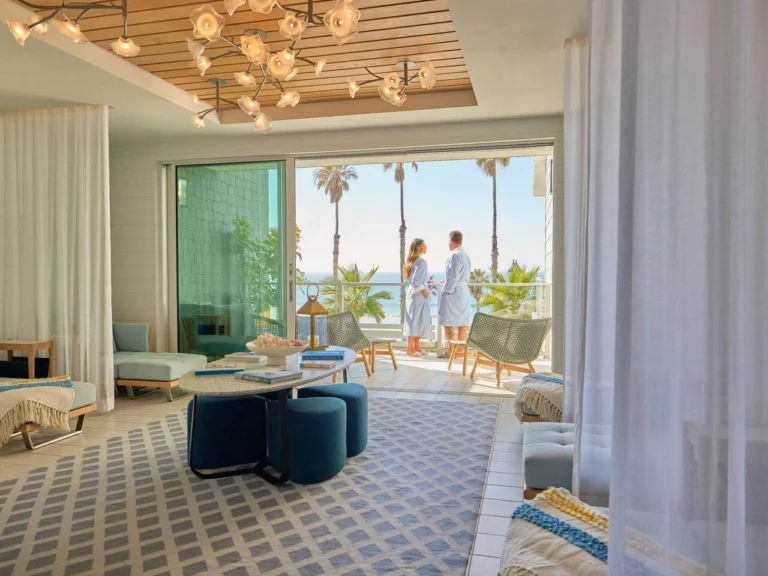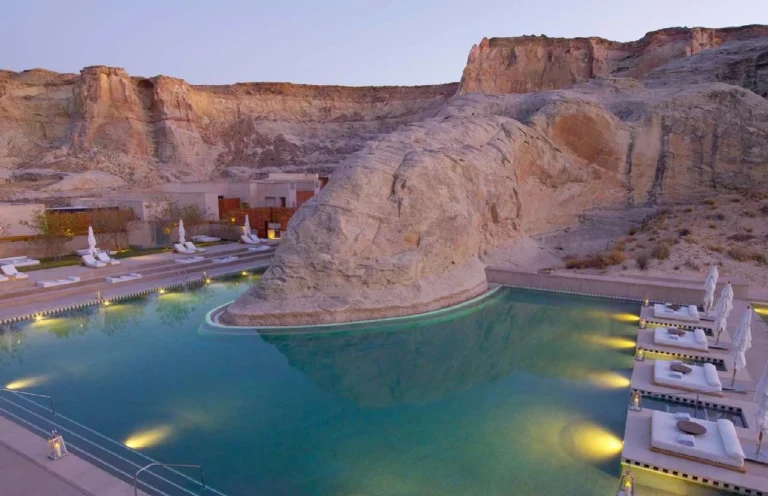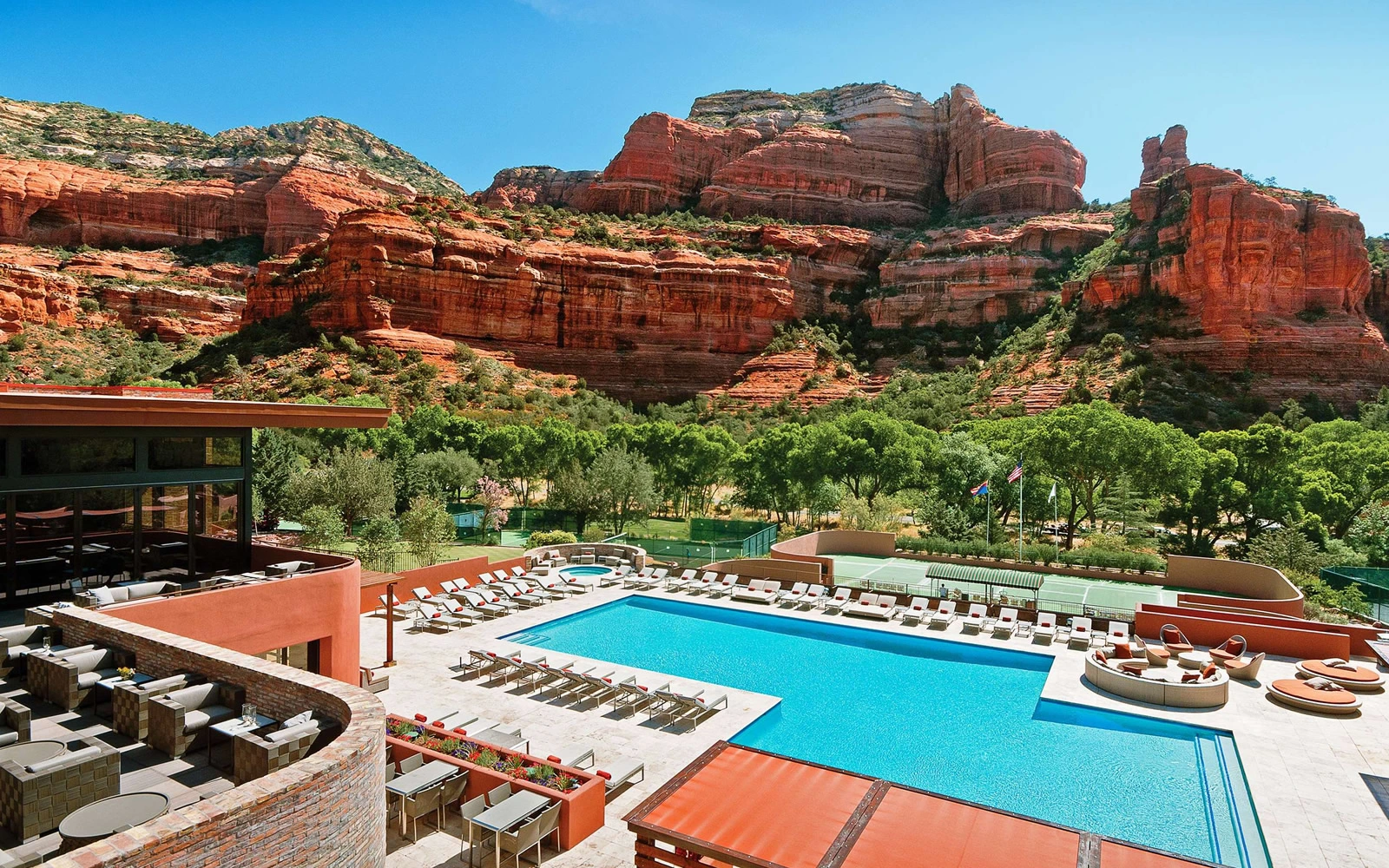
Exclusive Spa Destinations America: An Editorial Guide to Seclusion & Science
The American landscape of high-tier restorative travel is currently defined by a shift from “Visible Opulence” to “Acoustic and Biological Privacy.” In the mid-2020s, the standard for a premier retreat has moved beyond the traditional spa menu of aesthetic treatments toward a model of “Precision Seclusion.” This evolution treats the guest not as a consumer of services, but as a biological system in need of “Interventional Quiet.” The most sophisticated facilities in the United States now operate as low-density, high-governance environments where the primary luxury is the absence of environmental stressors, noise, light pollution, and decision fatigue.
This systemic transition is rooted in the rising “Allostatic Load” of the modern professional class. Chronic sympathetic nervous system activation has created a market for what researchers call “Limnological and Topographic Reset.” Whether it is a high-alpine glacial retreat or a desert-based longevity center, the objective is “Neurological De-escalation.” These institutions are no longer defined by the number of treatment rooms, but by the “Integrity of the Buffer,r” the physical and operational distance maintained between the guest and the external world.
For the analytical traveler, navigating the world of exclusive spa destinationin Americaca requires a departure from standard hospitality metrics. The value of these destinations is found in their “Protocol Depth,” the extent to which scientific rigor is integrated into the natural environment. From genomic nutrition mapping to neuro-acoustic soundscapes, the premier American spa is now a laboratory for human optimization. This article provides a definitive structural analysis of this landscape, deconstructing the mechanics of modern seclusion and the systemic frameworks that drive long-term physiological restoration.
Understanding “exclusive spa destinations america”
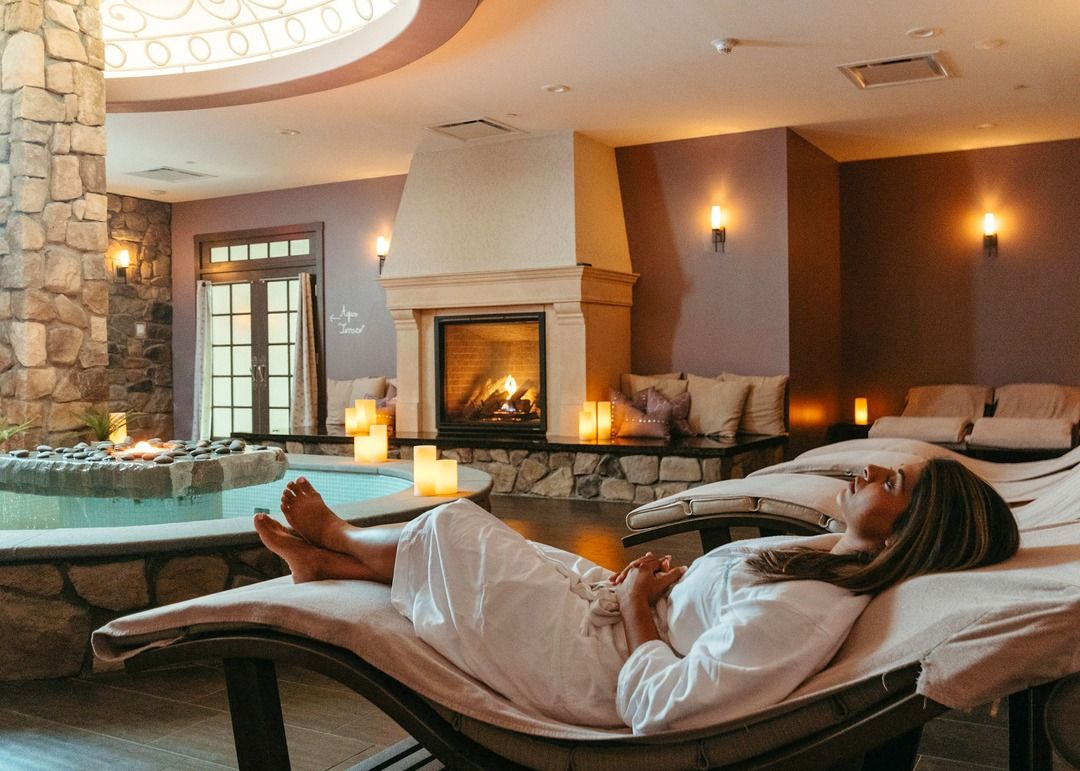
To define the exclusive spa destinations in America, one must look past the “Luxury” label, which is often used as a marketing catch-all for high-ADR (Average Daily Rate) hotels. In a rigorous editorial context, “Exclusivity” refers to Resource Scarcity and Operational Density. A common misunderstanding is the belief that a spa is exclusive simply because it is expensive. In reality, the elite tier is defined by “Low-Guest-to-Acreage Ratios” and “Interventional Coherence,” the ability to ensure that no two guests’ experiences are identical because they are built from unique biological data.
The risk of oversimplification arises when “Exclusivity” is equated with “Isolation.” A facility can be isolated in the middle of a desert but still suffer from “Service Standardization,” where every guest receives the same massage and the same kale salad. True exclusivity in the American market is found in “Diagnostic Depth.” This is the shift from “Soft Wellness” (subjective relaxation) to “Hard Wellness” (objective physiological change). The top-tier destinations (such as Golden Door in California or the emerging Canyon Ranch in Austin) are increasingly clinical, employing medical directors and utilizing data-driven diagnostics like microbiome analysis and VO2 max testing.
Effectively evaluating these destinations requires a “Depth-of-Field” analysis. One must distinguish between “Amenity-Driven” properties,s where the spa is a feature of a larger resort, rt and “Purpose-Driven” properties, where the entire physical and social architecture is designed around a singular health outcome. The exclusive spa destinationsin Americaa are those that successfully bridge this gap, providing an environment that is both architecturally significant and biologically transformative.
Deep Contextual Background: From Saratoga to Bio-Optimization
The American history of exclusive wellness has moved through three distinct “Eras of Intent.” The first, the “Social Mineral Era” (19th century), centered on destinations like Saratoga Springs, New York, and Hot Springs, Arkansas. These were built on the concept of “Taking the Waters,” but they functioned primarily as social hubs for the Gilded Age elite. The “Wellness” was passive and secondary to the social signaling of the location.
The “Sanatorium Movement” (early to mid-20th century) introduced a more disciplined, clinical approach. Institutions like the Battle Creek Sanatorium in Michigan and the various tuberculosis retreats in Tucson and Colorado Springs established the American precedent for “Climate as Cure.” These facilities prioritized fresh air, sunlight, and strict dietary governance, shifting the focus from social display to biological survival. This era left a lasting legacy: the idea that a specific geography (desert, mountain, or coast) possesses inherent therapeutic properties.
Today, we are in the “Precision-Longevity Era.” Driven by advancements in wearable technology and the “Quiet Luxury” movement, the focus has shifted from “Curing Illness” to “Optimizing Health Span.” Modern exclusive destinations are no longer just places to rest; they are “Bio-Hacking Sanctuaries” where the goal is to reverse cellular aging and optimize mitochondrial function. This era integrates “High-Tech” interventions with “High-Touch” rituals. Specifically, developers now combine hyperbaric chambers and IV infusions with ancient herbal practices. Furthermore, they incorporate manual lymphatic drainage into these clinical frameworks. By doing so, they create a synergistic effect. Notably, this combination represents the pinnacle of American wellness. Consequently, the modern retreat functions as a high-performance biological lab.
Conceptual Frameworks: The Allostatic Load and Systems Biology
To evaluate a destination, one should apply the following mental models:
1. The “Allostatic Load” Model
This framework posits that the body has a finite capacity to adapt to stress. When “Allostatic Load” becomes too high, the system breaks down into chronic inflammation or cognitive burnout. A premier exclusive spa acts as a “Load-Shedding Environment,” systematically removing stressors, noise, blue light, refined sugars, and social friction to allow the body’s natural “Homeostatic Mechanisms” to reboot.
2. The “Biological Hierarchy of Needs.s”
This model assesses how a facility prioritizes its interventions. A spa that offers “Aura Cleansing” before it ensures “Deep Sleep Architecture” is structurally unsound. The top-tier destinations focus first on the “Biological Base” Sleep, Hydration, Micronutrient Density, and Circadian Alignment before moving into “Higher-Order” psychological or spiritual work.
3. The “Riparian and Topographic Buffer” Protocol
This framework measures the health of the destination’s interface with nature. A “Luxury” property that has replaced its natural shoreline or desert floor with concrete or manicured lawns has destroyed the “Active Ingredient” of the environment. The highest tier of exclusive spas maintains a “Wild Buffer,” utilizing the “Aromatic Terpenes” of the forest or the “Negative Ions” of the ocean as natural pharmacological agents.
Key Categories of Exclusive Wellness
Selection depends on the “Regional Bio-Signature” of the destination.
| Category | Primary Focus | The “Active” Ingredient | Operational Trade-off |
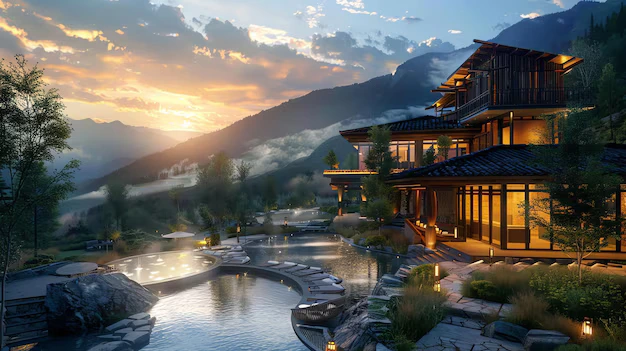
| High-Alpine Longevity | Metabolic Reset | Hypoxic Stress; Cold Plunge | Altitude risk; Intense UV |
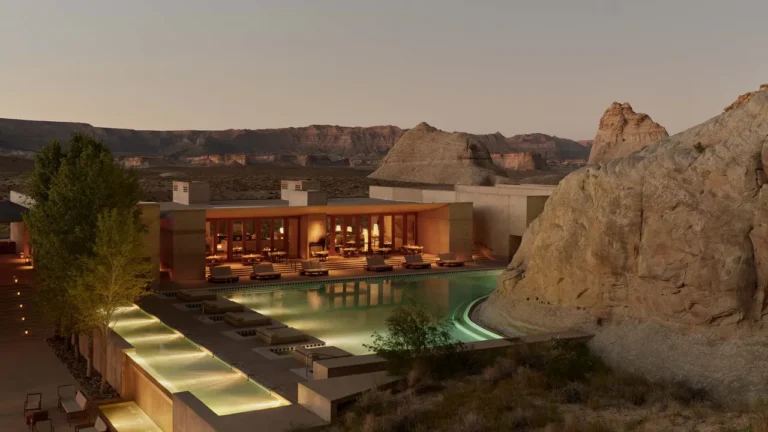
| Arid Spiritual | Neurological Stillness | “Energy Vortex”; Silica-rich air | Dehydration risk; Extreme heat |
| Coastal Restorative | Respiratory/Skin | Marine Aerosols; Magnesium | High humidity; Salt corrosion |
| Heritage Great Camp | Primitive Luxury | Forest Phytoncides; Seclusion | Extreme seasonality; Remote |
| Clinical-Holistic | Bio-Hacking | Lab diagnostics; IV/Stem Cells | Can feel “hospital-adjacent.nt” |
Realistic Decision Logic
The decision should be based on a “Somatic Audit.” If a guest is in a state of “High-Inflammatory Stress,” the cold, high-silica environments of the Mountain West (e.g., Sand Valley or the Rockies) provide the necessary “Cold-Shock” response. If the goal is “Cognitive Clarity” and the removal of decision fatigue, the structured, “No-Choice” menus of the California heritage spas (e.g., Golden Door) are superior to the expansive, choice-heavy menus of larger resorts.
Detailed Real-World Scenarios
The “Silicon Valley” Burnout Recovery
An executive seeks a 10-day “Deep-Brain” disengagement.
-
The Choice: A remote desert facility in Arizona with “Zero-Signal” zones and mandatory “Digital Vaulting.”
-
The Tool: Sunset “Canyon Meditation” followed by “Neuro-Feedback” sessions to reduce Beta-wave activity.
-
Failure Mode: If the facility allows “Quiet Work Hubs,” the prefrontal cortex never truly enters the “Default Mode Network,” and the neurological reset fails.
Post-Operative Joint Recovery at a Coastal Sanctuary
An individual utilizes a Florida-based wellness resort for orthopedic rehabilitation.
-
The Logic: Using “Hydro-Therapeutic Circuits” and “Marine-Infused Steam” to reduce joint inflammation.
-
Decision Point: Choosing a facility with a “Medical-Grade” hydrotherapy floor rather than just a heated pool.
-
Second-Order Effect: Significant reduction in “C-Reactive Protein” (an inflammation marker) due to the systemic saltwater immersion protocol.
Planning, Cost, and Resource Dynamics
The economics of the exclusive spa destinations in America involve high “Expert-to-Guest” ratios and “Custom-Sourcing” costs.
| Expense Factor | Range (Per Night) | Included Resources | Hidden Costs |
| Ultra-Private Heritage | $1,800 – $4,500 | All meals, 1-on-1 guides, spa | Travel to remote landing strips |
| Modern Bio-Hacking | $1,200 – $2,500 | Diagnostics, IVs, O2 access | Specialized lab processing fees |
| Boutique Wellness Lodge | $600 – $1,200 | Classes, hydro-circuit access | Gratuities; Off-site activities |
Indirect Costs: The “Integration” Resource
One must account for the “Post-Stay Transition.” The most effective exclusive spas often include a “30-Day Transition Specialist.” If a guest spends $15,000 on a retreat but returns immediately to a high-stress, low-sleep environment without an integration plan, the ROI on the stay drops by 80%.
Tools, Strategies, and Support Systems
-
Circadian Lighting Suites: Guest rooms equipped with lighting that automatically tracks the sun’s Kelvin temperature to regulate melatonin production.
-
Genomic Nutrition Mapping: Customizing meal plans based on a guest’s genetic predisposition for inflammation and nutrient absorption.
-
Vagus Nerve Stimulators: Handheld or wearable devices provided by the spa to facilitate a state of “Parasympathetic Dominance” before meals.
-
Neuro-Acoustic Soundscapes: Spatial audio rooms designed to entrain the brain into Alpha or Theta wave states for deep restorative sleep.
-
Hyperbaric Oxygen Chambers: Medical-grade O2 therapy to accelerate tissue repair and cognitive performance.
-
“Signal-Free” Architecture: The use of specific building materials that act as a Faraday cage, shielding guests from EMF and cellular signals in sleep zones.
-
Limnological Reports: For lakeside or coastal spas, providing guests with daily mineral and oxygen saturation levels of the water they are soaking in.
Risk Landscape and Failure Modes
The primary risk in the elite spa market is “Pseudo-Exclusivity,” where the aesthetic is exclusive, but the governance is weak.
Taxonomy of Risks:
-
Acoustic Leakage: The intrusion of noise from neighboring resorts or localized motorized traffic (e.g., jet skis or helicopters).
-
“Menu Bloat”: Facilities that offer too many treatments, leading to “Decision Fatigue,e” which counteracts the intended neurological rest.
-
Staffing Shortages: High-end wellness requires highly skilled practitioners (LDMs, RNs, NDs). A “Therapist Shortage” leads to standardized, lower-quality sessions.
-
The “Pampering” Trap: Destinations that prioritize “Feeling Good” (dopamine) over “Getting Well” (homeostasis), resulting in a temporary high with no lasting biological shift.
Governance and Long-Term Adaptation
To maximize a stay at one of the exclusive spa destinationin Americaca, the guest must move from “Passive Recipient” to “Active System Manager.”
The “Stay Integrity” Checklist:
-
Digital Boundary: Did I commit to a 72-hour total disconnection from the “Default World”?
-
Thermal Compliance: Did I complete the prescribed cold-to-hot cycles to stimulate mitochondrial health?
-
Acoustic Audit: Was my environment truly silent, or was I masking city noise with artificial “White Noise”?
Adjustment triggers: “If I find myself checking a device during the ‘Golden Hour’ of sunset, I will relocate my evening ritual to a ‘Signal-Free’ shoreline zone.”
Measurement, Tracking, and Evaluation
-
Leading Indicators: A decrease in “Saccadic Eye Movement” (visual relaxation) and a stabilized “Resting Heart Rate” (RHR) within the first 48 hours.
-
Lagging Indicators: Improved “Heart Rate Variability” (HRV) and a reduction in systemic “Fluid Retention” 21 days post-stay.
-
Documentation: A “Whole-Person Discharge Blueprint,” a unified digital record provided by the facility that outlines the guest’s biological shifts and long-term maintenance needs.
Common Misconceptions and Oversimplifications
-
Myth: “Exclusive means fancy rooms.” Correction: The most exclusive spas often have minimalist, “Monastic” rooms to reduce visual over-stimulation.
-
Myth: “A weekend is enough.” Correction: It takes 4 days for the nervous system to shift out of “Fight-or-Flight” and into a state where cellular repair can occur.
-
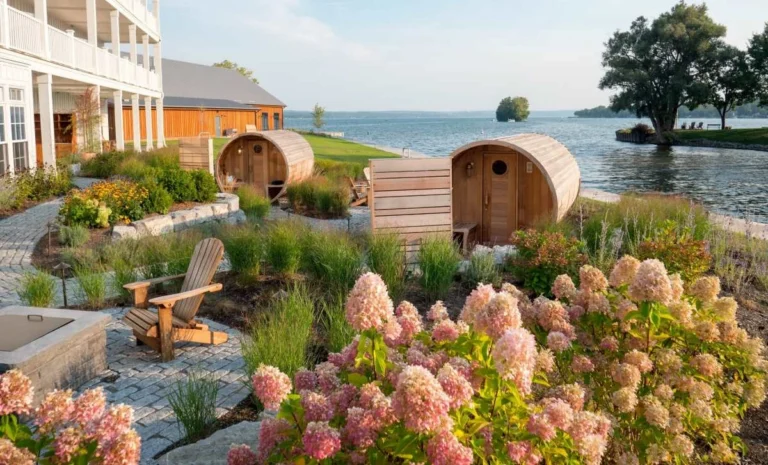
Myth: “Lakes and Oceans are the same.” Correction: Lakes are “Closed Systems” with different mineral profiles and no “White Noise” from surf, making them superior for deep acoustic meditation.
-
Myth: “More treatmentsequals more value.” Correction: “Over-Scheduling” is a primary cause of retreat failure; the value is in the “Unstructured Stillness.”
-
Myth: “You have to be sick to go to a spa.” Correction: Modern exclusive spas are for “High-Functioning Optimization,” not just recovery.
Conclusion: The Synthesis of Science and Spirit
Ultimately, the “Radical Integration” of environmental geography and human biology defines the future of the American exclusive destination. Specifically, this synergy creates a high-fidelity environment for systemic recovery. Consequently, the architectural envelope serves as a conduit for biological optimization. In an age of digital noise and environmental load, the ability to submerge in a “Governed Ecosystem” is the ultimate strategic advantage. The exclusive spa destinations in America that will define the next decade are those that act as stewards of silence, providing the physical and clinical infrastructure to let the body do its natural work of restoration.
Success in this journey is found when the traveler stops looking for “entertainment” and starts looking for “coherence.” Whether it is through the red rocks of Arizona or the glacial waters of the Northeast, the goal remains the same: the return to a state of unified health. The luxury is not the escape from the world; it is the clarity of the person who returns to it.