Top Wellness Experiences in America: A Comprehensive Editorial Guide
The American landscape of health and healing has transitioned from a fragmented collection of luxury amenities into a sophisticated, multi-billion-dollar ecosystem of “Human Optimization Environments.” In 2026, the concept of a wellness experience in the United States is no longer defined by the simple absence of stress, but by the proactive engineering of physiological and psychological resilience. From the high-altitude longevity labs of the Rocky Mountains to the “Blue Zone” inspired coastal retreats of Florida and California, these facilities function as closed-loop systems designed to facilitate deep cellular repair and cognitive recalibration.
The current era is marked by what editorialists call the “Third Generation” of wellness. While the first generation focused on mineral springs and the second on “health farms” for weight management, this third iteration integrates advanced biotechnology such as genomic testing and NAD+ infusions with ancestral wisdom and environmental psychology. The United States, specifically, has emerged as a global leader in this integration, largely due to its unique combination of vast natural wilderness and a high-tech healthcare infrastructure. The result is a specialized market where the “active ingredient” of a stay is often the precise modulation of the guest’s environment, from the light spectrum in their suite to the microbial diversity of their diet.
To understand the current pinnacle of this industry, one must move beyond the marketing vernacular of “pampering” and “self-care.” For high-stakes professionals and those seeking serious health interventions, a wellness retreat is a strategic investment in “Biological Runway.” This article deconstructs the systemic evolution of American wellness, providing a rigorous framework for evaluating the top-tier institutions that are currently redefining the boundaries of human vitality.
Understanding “top wellness experiences in america”

The phrase top wellness experiences in america is frequently utilized as a catch-all for any high-end hospitality offering with a spa attached. However, from a senior editorial perspective, “Top” does not merely signify a high price point or aesthetic splendor; it signifies “Therapeutic Fidelity.” A facility achieves this when its operational reality matches its clinical claims. A common misunderstanding in the 2026 market is the belief that “more is better,” that a resort with 50 different treatment options is superior to one with five. In reality, the most effective institutions are often those with a narrow, highly specialized focus, where every resource is subordinated to a specific physiological outcome.
The risk of oversimplification arises when travelers fail to distinguish between a “Wellness-Primary” and a “Wellness-Secondary” destination. A Wellness-Secondary hotel is a luxury property where a spa is an amenity, often competing with wedding parties or corporate conventions for space and silence. A Wellness-Primary destination is a “Sanctuary Environment” where every guest is on a similar trajectory of restoration. In the latter, the social atmosphere itself becomes a therapeutic agent, removing the “Social Load” of interacting with people who are not in a contemplative state.
Effectively evaluating these experiences requires a “Systems Thinking” approach. One must look at the “Ratio of Car,e”, the number of licensed practitioners, doctors, and specialists relative to the guest count. The highest tier of American wellness is now defined by “Intelligent Personalization,” where data from wearables and pre-arrival blood panels are used to create a bespoke “Human Operating System” for the duration of the stay. Understanding this distinction is the primary factor in ensuring that the guest’s intent, whether burnout recovery, longevity optimization, or metabolic reset, aligns with the facility’s core competency.
Deep Contextual Background: From Sanatoriums to Bio-Labs
The American wellness tradition is rooted in the “Cure Cottages” of the late 19th century. Places like Saranac Lake, New York, and the Battle Creek Sanitarium in Michigan (led by John Harvey Kellogg) were the first to treat “Fresh Air,” “Hydrotherapy,” and “Biological Living” as medical prescriptions. These were the prototypes for the modern retreat, emphasizing that health was a result of disciplined environment management rather than just pharmaceutical intervention.
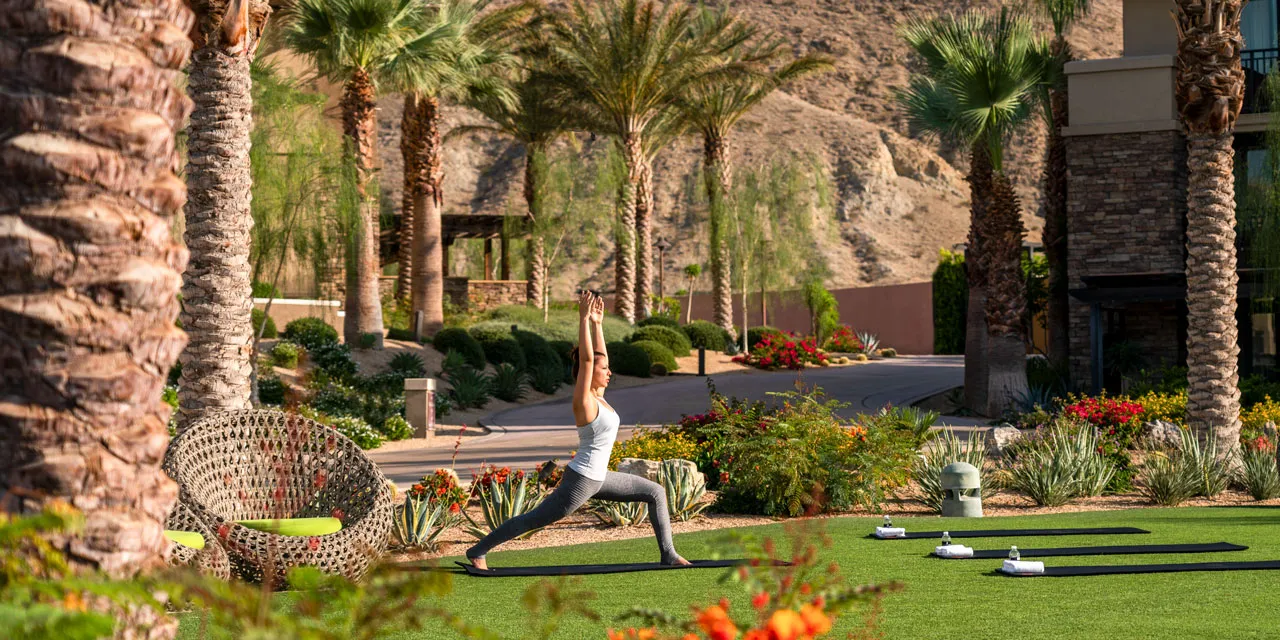
The mid-20th century saw the rise of the “Health Farm,” which introduced the concept of the “Total Lifestyle Reset.” This era focused heavily on calorie restriction and physical culture, often in the desert environments of Arizona and California. It was during this period that the American wellness identity became inextricably linked with the “Southwest Aesthetic, etic” the idea that the arid, high-vibration air of the desert was a primary healing force.
In the current 2026 landscape, we have reached the “Longevity Tipping Point.” The industry has moved into “Precision Wellness.” Resorts are now incorporating elements of the “Blue Zones” (regions where people live significantly longer) and marrying them with Silicon Valley bio-hacking. This evolution has turned the American wellness resort into a laboratory for the future of human health, where interventions like cryotherapy, hyperbaric oxygen, and neurofeedback are no longer experimental, but foundational.
Conceptual Frameworks: The Sensory Envelope and Metabolic Flux
To analyze the efficacy of a wellness experience, one can apply several analytical mental models:
1. The “Sensory Envelope” Model
This framework posits that a healing environment is only as strong as its weakest sensory “leak.” If a facility has world-class clinical staff but utilizes loud, industrial HVAC or harsh lighting in the relaxation zones, the “Sensory Envelope” is compromised. The premier tier manages the “Soundscape” (acoustic engineering) and “Aromascape” (personalized scent profiles) to ensure the nervous system remains in a state of “Parasympathetic Dominance” (Rest and Digest).
2. The “Metabolic Flux” Model
This framework views the guest as a system of energy inputs and outputs. A “Top” experience manages this flux by precisely controlling nutritional intake (metabolic rest) and exercise intensity (metabolic demand). Facilities that ignore this balance, lanc,e for example, by offering high-intensity “Bootcamp” classes alongside a 500-calorie-a-day detox, often trigger a stress response (cortisol spike) that negates the benefits of the stay.
3. The “Bio-Individualism” Limit
This model recognizes the ceiling of “One-Size-Fits-Most” protocols. A facility that offers a “Signature Treatment” to every guest is operating at a lower tier of authority. The “Top” experiences utilize “Assessment-First” models, where no intervention is performed without a prior baseline measurement of the guest’s current biological state.
Key Categories of Wellness Immersion and Trade-offs
The American market is currently segmented into several “Operational Philosophies.”
| Category | Typical Location | The “Active” Ingredient | Primary Trade-off |
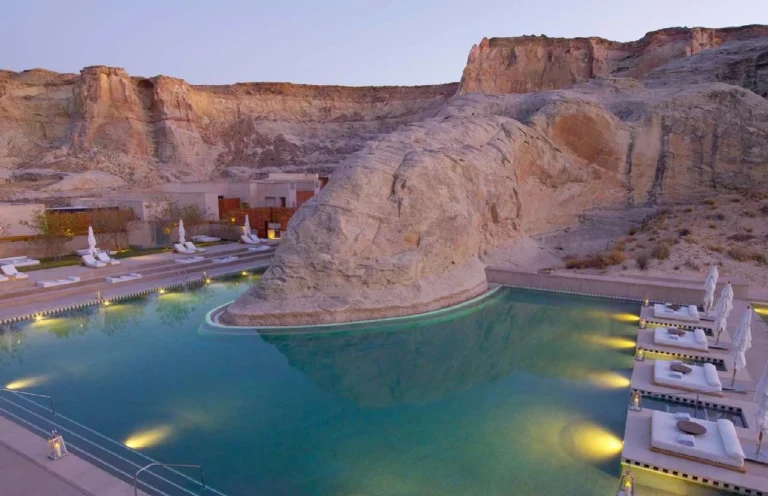
| High-Desert Longevity | AZ, UT, NM | Deep silence; High-altitude air | Dehydration risk; Extreme isolation |
| Coastal “Blue Zone” | CA, FL, SC | Saline air; Marine nutrients | Higher social density; Humidity |
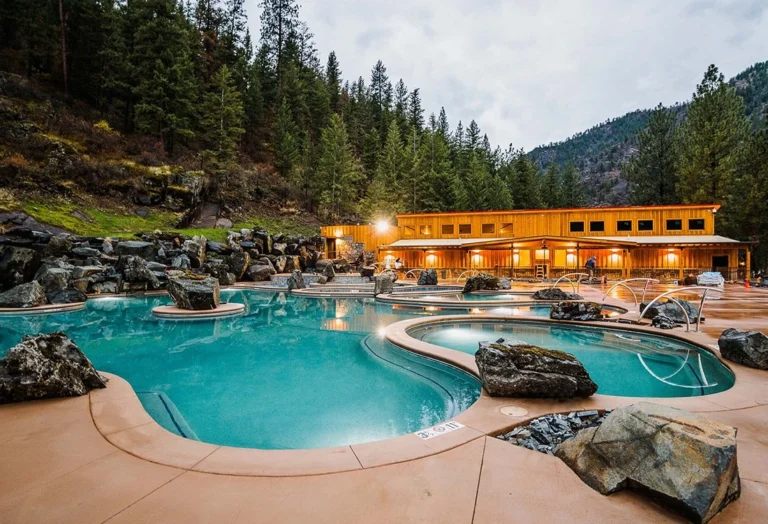
| Alpine Recovery | CO, VT, MT | Thermal contrast; Forest phytoncides | Altitude sickness; Seasonal variability |
| Urban Bio-Lab | NYC, LA, SF | Tech-driven efficiency; Sleep labs | External noise; Lack of nature access |
| Heritage Spring | AR, NY, VA | Natural mineral load; History | Aging infrastructure; Social focus |
Realistic Decision Logic
The choice of destination should follow a “Resource Gap Analysis.” If an individual is suffering from “Cognitive Overload,” the top wellness experiin Americaericaa found in the High-Desert or Alpine categories is superior due to their “Acoustic Purity.” Conversely, if the goal is “Performance Optimization” for a high-stakes athletic or corporate event, an Urban Bio-Lab or Coastal Medical facility provides the high-tech diagnostics necessary for a data-driven edge.
Detailed Real-World Scenarios
The “Executive Burnout” Recovery
A tech founder seeks a total nervous system reset after a major acquisition.
-
The Choice: An Alpine Recovery facility in Montana focused on “Contrast Therapy” (Snow-to-Sauna) and “Neurowellness.”
-
The Tool: Guided forest bathing combined with neurofeedback sessions to shift the brain from “High-Beta” (Stress) to “Alpha” (Relaxed) states.
-
Failure Mode: If the guest maintains “Digital Tethering” (checking emails), the physiological reset is physically impossible. The resort must enforce “Friction-Based Disconnect” (e.g., no Wi-Fi in rooms).
The “Menopause & Longevity” Pivot
A woman in her late 40s seeks to manage hormonal shifts and long-term healthspan.
-
The Choice: A Coastal Medical Spa in Florida, utilizing “Ovarian Longevity” protocols.
-
The Tool: Personalized peptide therapy and hormone-balancing nutrition based on real-time biomarker testing.
-
Second-Order Effect: Improved bone density and cognitive clarity that persists for 6-12 months post-stay.
Planning, Cost, and Resource Dynamics
The “Total Cost of Transformation” in the luxury wellness sector is often opaque.
| Expense Factor | Mid-Tier Luxury | Ultra-Performance Tier | Budgeting Strategy |
| Daily Rate | $\$800 – \$1,500$ | $\$3,500 – \$7,000$ | Look for “Assessment Bundles” |
| Diagnostic Fees | N/A | $\$1,000 – \$3,000$ | Request “Exportable Data” for your GP |
| Service Charge | $22\%$ | Often Included | Confirm the “Tip-Free” status of staff |
| Nutrition | A la carte | Bespoke / Pre-set | Audit for “Hidden Sugars” in menus |
The Opportunity Cost of “Pseudo-Wellness”
Choosing a “Wellness-Secondary” resort (a standard luxury hotel with a nice gym) for a serious health intervention often results in a “Negative ROI.” The lack of a controlled environment means the guest is exposed to social stressors, poor sleep hygiene (due to hallway noise), and sub-optimal nutrition, effectively turning a $10,000 trip into a mere “expensive nap.”
Tools, Strategies, and Support Systems
-
Sleep-Optimization Suites: Rooms with Faraday cage lining to block EMF, circadian-rhythmic lighting, and sound-canceling architectural “nooks.”
-
Hyper-Personalized IV Nutrients: Formulations blended on-site after a morning blood draw to address specific deficiencies.
-
Vagus Nerve Stimulation (VNS): Utilizing handheld devices or cold-water immersion circuits to trigger the body’s natural relaxation response.
-
Biological-Age Testing: Using epigenetic clocks to determine if the guest’s lifestyle is aging them faster than their chronological years.
-
Forest Phytoncide Mapping: Resorts in the Pacific Northwest or Vermont that use specific “Trail Maps” based on the concentration of healing tree oils (phytoncides) in the air.
-
“Silent Floor” Governance: Management protocols that guarantee zero housekeeping noise or cart traffic between 9 PM and 9 AM.
-
Post-Stay “Integration Coaches”: 30 days of remote support to ensure the habits formed at the retreat survive the transition back to the “Default World.”
Risk Landscape and Failure Modes in Luxury Health
The most significant risk in the pursuit of the top wellness experiences in America is the “Over-Optimization Paradox.” This occurs when the stress of adhering to a strict, high-tech wellness protocol becomes a stressor in itself.
Taxonomy of Compounding Risks:
-
Acoustic Leakage: High-tier facilities that share walls with event spaces (weddings/conferences).
-
Clinician Burnout: High turnover among massage therapists and nurses leads to “Mechanical Treatment” rather than “Intuitive Care.”
-
Data Overload: Receiving a complex 50-page diagnostic report with no clear, actionable “Top 3” instructions.
-
The “Luxury Echo Chamber”: Resorts that prioritize “Feeling Good” (Aesthetics) over “Being Well” (Clinical Outcomes).
Governance, Maintenance, and Long-Term Adaptation
A top-tier wellness stay should be treated as a “System Update.” Without proper governance, the “System” will revert to its previous, stressed state within 14 to 21 days.
The “Integration” Governance Checklist:
-
The “72-Hour Buffer”: Schedule three days of low-intensity work after returning from a retreat to prevent “Re-entry Shock.”
-
The “Environmental Audit”: Identify which lighting or sound settings from the resort you can replicate in your home office to maintain a restorative atmosphere.
-
Biometric Benchmarking: Use a wearable device to track whether you maintain the Resting Heart Rate (RHR) improvements you achieved during your stay.
Establish “Adjustment Triggers” to protect your recovery. For example: “If my Sleep Score drops below 70 for three consecutive nights, I will implement the ‘Resort Sleep Protocol.’” This protocol requires you to eliminate blue light after 8 PM and set the room temperature to 65°F.
Measurement, Tracking, and Evaluation of Success
True success is defined by the “Half-Life of Tranquility.”
-
Leading Indicators: Changes in Heart Rate Variability (HRV) and deep sleep duration during the stay.
-
Lagging Indicators: Reduced frequency of illness, improved cognitive endurance, and stable blood pressure 90 days after the stay.
-
Documentation: The “Wellness Passport” is a unified digital record of all treatments, metabolic data, and clinician notes provided by the resort for the guest’s primary care physician.
Common Misconceptions and Oversimplifications
-
Myth: “I need to feel exhausted after a wellness retreat for it to be effective.” Correction: Overtraining at a retreat is a form of “Metabolic Stress.” True recovery often feels “too slow” initially.
-
Myth: “The most expensive treatment is the best one.” Correction: A $500 IV drip is useless if your gut health prevents absorption. A $50 guided breathwork session may have a higher physiological ROI.
-
Myth: “I can fix 10 years of burnout in 3 days.” Correction: A 3-day stay is a “Pause.” A 14-day stay is a “Reset.” A 21-day stay is a “Transformation.”
-
Myth: “Spa food is starving yourself.” Correction: High-tier wellness nutrition is about “Nutrient Density,” not calorie restriction.
-
Myth: “Natural springs are just warm pools.” Correction: The mineral load (magnesium, lithium, sulfur) of authentic springs has specific transdermal health benefits that tap water cannot replicate.
Conclusion: The Synthesis of Science and Silence
The current pinnacle of the American wellness movement sits at the intersection of “High-Tech” and “High-Touch.” Top American wellness experiences no longer provide a mere destination; instead, they create environments that change you at a cellular level. By moving past the surface-level marketing of luxury hospitality and understanding the underlying frameworks of sensory management and metabolic flux, a traveler can navigate this complex landscape with editorial judgment.
Ultimately, the most successful wellness experience is the one that provides the guest with a new “Baseline.” It is the transition from “Managing Stress” to “Embodying Resilience.” Whether it is through the silence of a desert canyon or the data of a coastal longevity lab, the goal remains the same: the preservation of human vitality in an increasingly noisy world. The “Luxury” is not the thread count of the sheets; it is the clarity of the mind that wakes up beneath them.