Luxury Lakeside Spa USA: An Editorial Guide to Still-Water Wellness
The American lakeside landscape offers a specific physiological advantage that differs fundamentally from coastal or alpine environments. While the ocean provides high-energy kinetic stimulus and the mountains offer hypoxic stress, the lake environment is defined by “Lentic Stability.” This ecological term refers to still-water systems, which, in the context of high-end wellness, translate into a unique set of sensory variables: low-frequency acoustic patterns, high-density freshwater aerosols, and a profound degree of visual “Reflective Symmetry.” Within the United States, the development of luxury facilities around these bodies of water has evolved into a sophisticated discipline that leverages this stillness to address the chronic “Hyper-Vigilance” of modern professional life.
In 2026, the premier tier of lakeside wellness is undergoing a shift toward “Limnological Integration.” This approach treats the lake not merely as a scenic backdrop but as a “Biological Heat Sink” and a “Hydro-Therapeutic Resource.” Elite institutions are now utilizing deep-water thermal cooling for interior climate control and extracting freshwater minerals for on-site pharmacological applications. The luxury is no longer found in the traditional “resort” experience, but in the “Environmental Stewardship” and the precision with which the hotel manages the guest’s interface with the water’s edge.
For the analytical traveler, the challenge lies in distinguishing between a “Lakeside Resort” and a “Lakeside Authority Asset.” The distinction is found in “Acoustic and Visual Governance.” Does the facility protect the shoreline from motorized noise? Does the architecture utilize the water’s reflective properties to maximize natural light during the “Golden Hour” of circadian reset? This article provides the definitive framework for evaluating the top tier of the American lakeside market, deconstructing the mechanics of stillness and the systemic benefits of freshwater immersion.
Understanding “luxury lakeside spa usa”
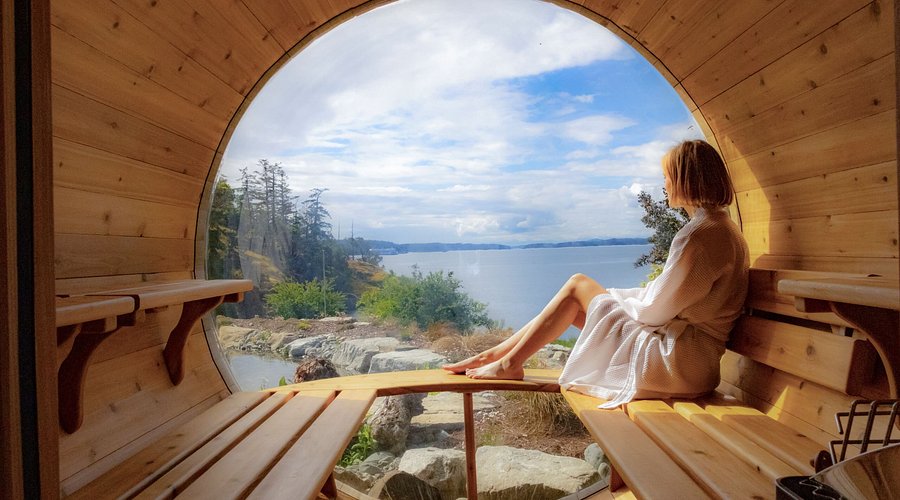
To define the luxury lakeside spa USA, one must first discard the aesthetic metrics that dominate standard travel media. In this sector, “Best” is a function of “Environmental Purity” and “Acoustic Governance.” A common misunderstanding among domestic travelers is the assumption that any high-end hotel on a lake provides a therapeutic environment. In reality, many facilities suffer from “Motorized Pollution,” the intrusion of jet skis and motorboats,s which disrupts the low-frequency soundscapes necessary for neurological down-regulation.
The risk of oversimplification arises when “Lakeside” is treated as a monolith. The United States possesses radically different lake ecosystems: the glacial, mineral-heavy lakes of the Northeast, the high-altitude volcanic lakes of the West, and the sub-tropical, cypress-lined systems of the South. Each offers a different “Biological Load.” A high-altitude lake stay involves hypoxic adaptation, while a Midwestern glacial lake stay focuses on “Cold-Plunge” vascular stimulation. A failure to align the choice of destination with the guest’s specific metabolic deficit is a foundational error in wellness planning.
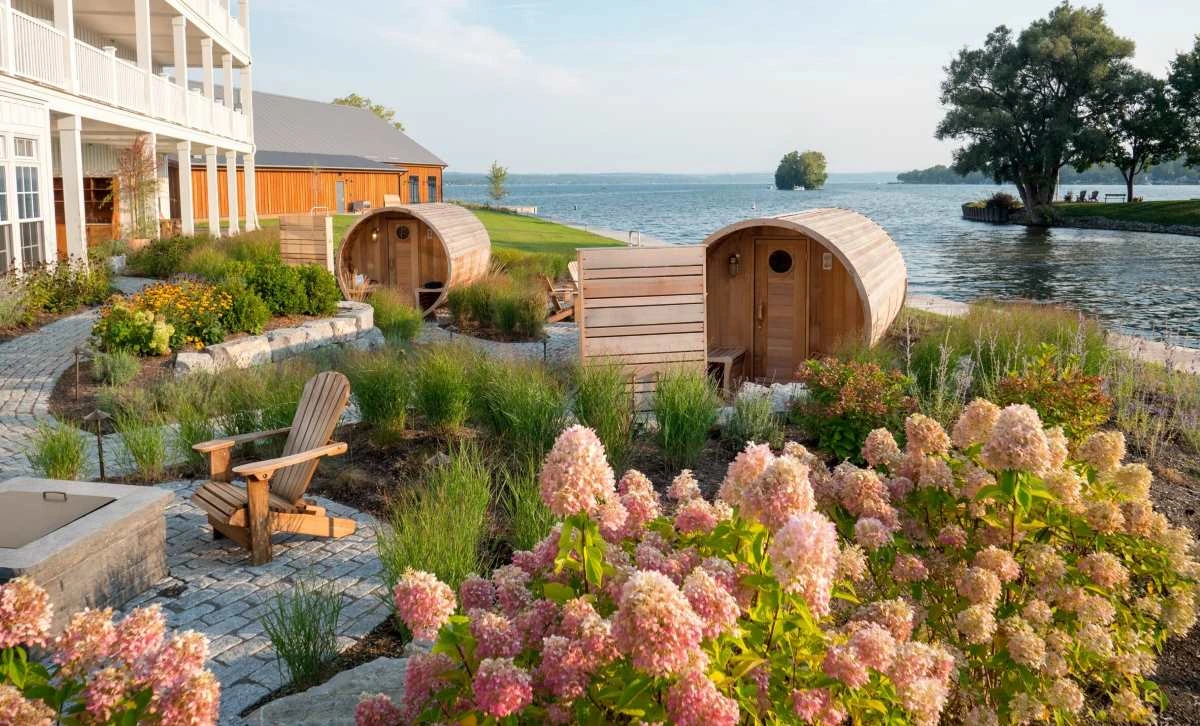
Effectively navigating this market requires a “Limnological Perspective, ve” the study of inland waters as ecological systems. One must evaluate a hotel’s “Shoreline Integrity” (the degree of natural filtration and silence) and its “Hydro-Spatial Design” (how effectively the spa utilizes the water’s surface for meditation). When these elements are integrated, the hotel ceases to be a lodging property and becomes a “Hydraulic Sanctuary.” Understanding this operational depth is the primary factor for ensuring that the guest’s intent, whether it is cognitive recovery or inflammatory reset, aligns with the resort’s geological reality.
Deep Contextual Background: From Summer Colonies to Modern Sanctuaries
The history of American lakeside wellness is a trajectory from the “Great Camps” of the Adirondacks to the “Bio-Optimization Labs” of the modern era. In the late 19th century, the American elite established “Summer Colonies” around lakes like Winnipesaukee and Lake George. These were built on the concept of “Primitive Luxury,y” the idea that the proximity to freshwater and dense forests was the ultimate antidote to the industrialization of New York and Boston. The wellness was passive, focused on “Air and Water” exposure.
The mid-20th century saw the democratization of the lake through the “Family Resort” model, but it was the 1990s that introduced the “Destination Spa” to the water’s edge. This era moved the spa from a basement amenity to a standalone pavilion, often built over the water itself to utilize the sound of lapping waves as a natural neuro-acoustic masker. This period established the “Lakeside Ritual” as a core component of the American luxury travel experience.
Today, we are in the “Environmental Governance” era. Modern facilities are utilizing “Shoreline Restoration” as a therapeutic activity, where guests participate in the maintenance of the ecosystem as a form of “Externalized Mindfulness.” The current trend involves “Freshwater Bio-Stacking, ng” combining wild swimming in mineral-heavy lake water with high-tech recovery tools like red-light therapy and localized cryotherapy. This evolution reflects a shift in the American psyche: we are moving away from the “viewing” of the water toward a total “Systemic Integration” with it.
Conceptual Frameworks: Reflection, Stillness, and the Lentic Effect
To evaluate a lakeside property, one should apply the following mental models:
1. The “Reflective Symmetry” Index
This model measures the degree to which the architecture utilizes the lake’s surface for “Visual Doubling.” Scientific research into “Fractal Fluctuations” suggests that looking at water reflections reduces the brain’s “Beta-Wave” activity. A premier hotel must be designed so that the “Horizon Line” is visible from every treatment area, facilitating a state of effortless attention.
2. The “Lentic-to-Lotic” Contrast
While lakes are lentic (still), many premier resorts are situated where a lotic (moving) system,tem such as a mountain stream, ream enters the lake. This creates a “Thermal and Acoustic Junction.” A hotel that leverages this junction can provide both the “Alpha-Wave” calm of the still lake and the “Negative-Ion” charge of moving water.
3. The “Riparian Buffer” Protocol
This framework assesses the health of the land-water interface. A “Luxury” property that has replaced its natural shoreline with concrete or manicured lawns has destroyed the “Active Ingredient” of the lake environment. The highest tier of hotels maintains a “Wild Buffer,” where native plants filter the water and provide the “Aromatic Terpenes” necessary for respiratory health.
Key Categories of Lakeside Wellness
Selection depends on the “Regional Mineral Signature” of the water.
| Category | Primary Region | Water Signature | Operational Trade-off |
| Glacial Heritage | Adirondacks, NY / NH | Soft, low-mineral; Oxygen-rich | Extreme seasonality; Short summers |
| High-Alpine Volcanic | Tahoe, CA / Oregon | High-silica; Ultra-clear; Cold | Altitude risk; Intense UV exposure |
| Great Lakes Industrial-Lux | MI, WI, IL | High-volume; High-oxygen | High wind/wave action; Social density |
| Sub-Tropical Cypress | GA, FL, SC | Tannin-rich; High-humic acid | High humidity; Wildlife constraints |
| Inland Mineral | Finger Lakes, NY | Sulfur & Salt-rich springs | “Sulphuric” scent; Lower clarity |
Realistic Decision Logic
The decision should follow a “Somatic Audit.” If a guest is in a state of “High-Inflammatory Stress,” the cold, high-silica waters of a Volcanic Alpine lake (e.g., Lake Tahoe) provide the necessary “Cold-Shock” response. If the goal is “Dermatological Repair,” the tannin-rich, acidic waters of a Sub-Tropical Cypress lake (e.g., Lake Palmetto) offer natural astringent properties that are superior to synthetic treatments.
Detailed Real-World Scenarios
The “Executive Burnout” Recovery in the Northeast
A professional seeks to disconnect after a high-stakes acquisition.
-
The Choice: A remote Adirondack “Great Camp” with zero motorized lake access and “Acoustic Seclusion.”
-
The Tool: Sunset “Canoe Meditation” followed by a 60-minute “Forest-Floor” massage using local cedar oils.
-
Failure Mode: If the facility allows corporate retreats with loud outdoor events, the “Quiet Zone” governance is compromised, and the neurological reset fails.
Post-Operative Joint Recovery at an Alpine Lake
An individual utilizes a high-altitude lake hotel for post-surgical rehabilitation.
-
The Logic: Using the “Cold-Water Buoyancy” of 55°F lake water to reduce joint inflammation while performing low-impact movements.
-
Decision Point: Choosing a facility with “Heated-to-Cold” transition decks that allow for immediate re-warming after lake immersion.
-
Second-Order Effect: Significant reduction in “C-Reactive Protein” (an inflammation marker) due to the systemic cold-exposure protocol.
Planning, Cost, and Resource Dynamics
The economics of the luxury lakeside spa in the USA involve high “Shoreline Maintenance” and “Resource Governance” costs.
| Expense Factor | Range (Per Night) | Included Resources | Hidden Costs |
| Ultra-Private Heritage | $1,500 – $3,500 | Private dock, 1-on-1 guides | Transport to remote sites |
| Modern Alpine Luxury | $800 – $1,800 | High-tech spa access, O2 | Activity equipment fees |
| Boutique Lake-House | $400 – $900 | Communal fire-pits, kayak | Parking; Resort fees |
Indirect Costs: The “Thermal Preparation”
Travelers must account for the “Clothing Load.” Lakeside environments involve rapid temperature drops at sunset. A guest who does not invest in high-quality “Technical Wool” or “Thermal Layers” will find their “Out-of-Spa” time limited, reducing the overall efficacy of the “Open-Air” wellness protocol.
Tools, Strategies, and Support Systems
-
Shoreline Grounding Mats: Specialized areas on docks made of conductive materials to facilitate “Earth-Tuning” while overlooking the water.
-
Underwater Acoustic Windows: Spa pools equipped with hydrophones that play the real-time sounds of the lake’s depths.
-
Tannin-Infused Steam: Steam rooms that utilize local lake botanicals (cattail, water lily, cypress) for respiratory “Phytoncide” intake.
-
Bioluminescent Night-Soaks: Lighting systems that mimic natural lake bioluminescence to soothe the optic nerve before sleep.
-
Reflective-Symmetry Suites: Rooms designed with specific “Viewing Angles” to ensure the guest sees the water’s surface from their bed, aligning the brain with the horizon.
-
“Silent Stroke” Equipment: High-end, carbon-fiber canoes and oars designed to move through the water with zero acoustic footprint.
-
Limnological Lab Reports: Hotels that provide guests with a weekly “Water Health Report,” showing the exact mineral and oxygen levels of the lake they are soaking in.
Risk Landscape and Failure Modes
The primary risk in lakeside wellness is “Surface-Use Conflict.”
Taxonomy of Risks:
-
Acoustic Pollution: The intrusion of “Party Boats” or personal watercraft into the “Sound-Shadow” of the spa.
-
Cyanobacteria Blooms: Naturally occurring algae blooms that can render a lake “Bio-Hazardous” during peak summer heat.
-
Thermal Shock: Guests attempting “Wild Swimming” in deep glacial lakes without a supervised “Vascular Warm-up.”
-
The “Manicured Lawn” Trap: Resorts that use heavy pesticides on lakeside lawns, which then run off into the water where guests are intended to swim.
Governance and Long-Term Adaptation
To maximize a stay at one of the luxury lakeside spa usa institutions, the guest must move from “Leisure” to “Systemic Integration.”
The “Stillness” Review Checklist:
-
The “Horizon Log”: Did I spend at least 30 minutes daily looking at the Reflective Symmetry of the water?
-
Thermal Verification: Did I complete a “Lake-to-Sauna” cycle to stimulate my mitochondrial health?
-
Acoustic Audit: Was my environment truly silent, or was I masking city noise with artificial sounds?
Adjustment triggers: “If I find myself reaching for a device during the ‘Golden Hour,’ I will move my meditation session to a ‘Signal-Free’ shoreline zone.”
Measurement, Tracking, and Evaluation
-
Leading Indicators: A decrease in “Saccadic Eye Movement” (indicating visual relaxation) and a stabilized “Respiratory Rate.”
-
Lagging Indicators: Improved “Cognitive Endurance” and a reduction in systemic “Fluid Retention” 14 days post-stay.
-
Documentation: A “Lakeside Prescription” provided by the hotel’s limnologist, outlining the optimal “Light and Water” exposure times for the guest’s specific health profile.
Common Misconceptions and Oversimplifications
-
Myth: “Lakes are just smaller oceans.” Correction: Lakes are “Closed Systems” with radically different mineral profiles and acoustic properties (no white noise from crashing surf).
-
Myth: “Clear water is the only healthy water.” Correction: High-tannin (brown) lakes are often the most therapeutic for the skin due to their natural acidity.
-
Myth: “Lake swimming is only for summer.” Correction: “Cold-Water Hardening” in the shoulder seasons is one of the most effective ways to boost the immune system.
-
Myth: “A view of the lake is enough.” Correction: You need “Direct Shoreline Access” to benefit from the negative ions and freshwater aerosols.
-
Myth: “Lakeside spas are less ‘serious’ than medical spas.” Correction: Modern lakeside retreats are integrating “Performance Medicine” with the natural “Lentic Effect.”
Conclusion: The Synthesis of Water and Stillness
The evolution of the lakeside spa in America represents a return to “Primary Restoration.” In an age of digital hyper-stimulation, the ability to align one’s biological rhythms with the “Reflective Symmetry” of a still lake is the ultimate luxury. The luxury lakeside spa USA destinations that will define the next decade are those that act as stewards of this silence, providing the architectural and clinical infrastructure to let the water do its work.
Success in this market is found when the traveler stops looking at the lake as a “commodity” and starts seeing it as a “Systemic Partner.” Whether it is the glacial purity of the Adirondacks or the volcanic clarity of the West, the goal remains the same: the recalibration of the human nervous system through the power of stillness. The luxury is not the room; it is the moment of total visual and acoustic alignment when the mind becomes as still as the water’s surface.