Luxury Spa Resorts USA: An Editorial Guide to Wellness Excellence
The landscape of American hospitality has undergone a profound structural shift over the last two decades, evolving from a model of passive lodging to one of active physiological intervention. Within this shift, the luxury spa resort has emerged as a high-capital, high-complexity asset class that serves a specific function: the systematic down-regulation of the human nervous system. While the term “spa” is often used colloquially to describe any facility offering aesthetic treatments, the premier tier of North American wellness destinations operates more akin to a private institute for biological and psychological recalibration. These facilities leverage architectural psychology, advanced aqueous chemistry, and specialized labor to create a “controlled environment” that counters the stressors of high-performance modern life.
In the United States, this sector is defined by its geographic and philosophical diversity. From the arid, high-altitude desert sanctuaries of the Southwest to the mineral-rich hydrotherapy hubs of the Appalachian foothills, the environment is treated as a primary therapeutic agent. A significant factor in the success of these resorts is the “Sensory Envelope”—the total management of sound, light, temperature, and scent to eliminate the friction of the external world. When we examine the upper echelons of this market, we find that the distinction between a “hotel with a spa” and a true wellness resort lies in the depth of its operational integration. In the latter, the guest’s entire stay—from the sodium content of the menu to the Kelvin scale of the room lighting—is subordinated to a specific restorative outcome.
For the discerning individual, navigating this market requires a move beyond the marketing vernacular toward an analytical assessment of a facility’s “Therapeutic Density.” This involves evaluating the ratio of licensed clinicians to guests, the technological sophistication of the recovery infrastructure, and the facility’s ability to maintain a silent, contemplative atmosphere amidst the logistical pressures of a luxury property. This pillar article provides the rigorous framework necessary to evaluate these institutions, moving past surface-level aesthetics to deconstruct the engineering of tranquility and the economics of high-end restoration.
Understanding “luxury spa resorts usa”
To accurately define luxury spa resorts in the USA, you must move beyond the subjective lens of “pampering” and adopt a clinical perspective. In the high-performance travel sector, professionals increasingly view these facilities as “Human Optimization Centers.” Many travelers mistakenly assume that a high price point naturally correlates with superior therapeutic results. While a financial investment ensures high-tier linens and aesthetic grandeur, it does not inherently guarantee master practitioners or a scientifically grounded hydrotherapy circuit. You risk oversimplification when you conflate “luxury” with “effectiveness.”
The Volume-Quality Paradox
From a multi-perspective view, the best institutions in this category solve the “Volume-Quality Paradox.” These resorts face the challenge of maintaining profitable occupancy without compromising the guest’s sense of isolation and exclusivity. When management overbooks a resort, they increase the “Social Load” of the facility. This crowded environment triggers a subtle but persistent stress response in the guest.
Management of Temporal and Physical Space
Therefore, high-tier spas primarily define “Luxury” through the management of “Temporal and Physical Space.” This strategy provides the luxury of solitude in the thermal suite and ensures an unhurried transition between treatments. Consequently, the guest experiences true relaxation rather than the friction of a crowded schedule.
Deep Contextual Background: The Evolution of American Wellness
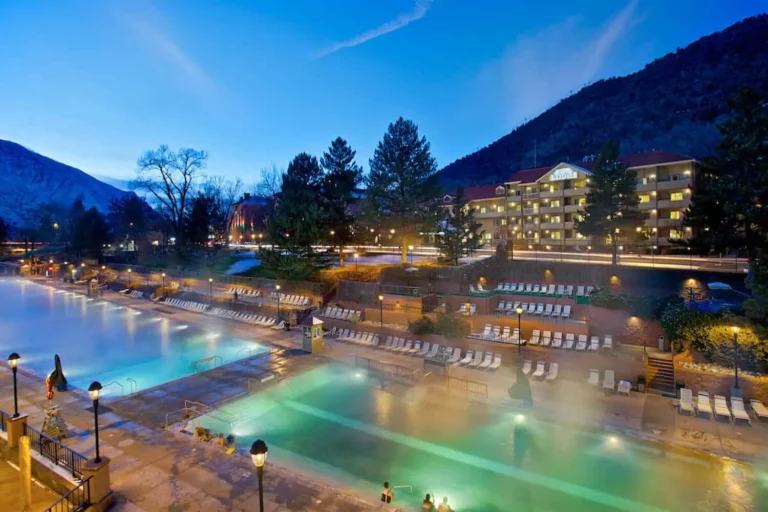
The history of American spa culture is a trajectory from “The Cure” to “The Lifestyle.” In the 19th century, wellness was centered on the “Mineral Springs” model, found in locations like Saratoga Springs, New York, and Hot Springs, Arkansas. These were the first generation of high-end retreats, where the elite gathered for weeks of passive water immersion. The focus was on the chemical properties of the earth’s waters and the social prestige of the guest list.
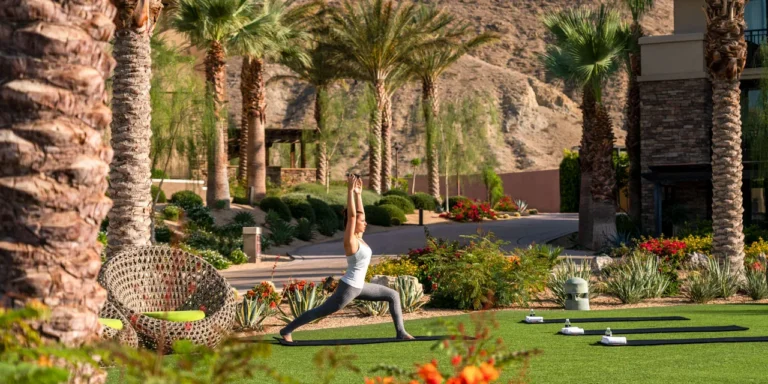
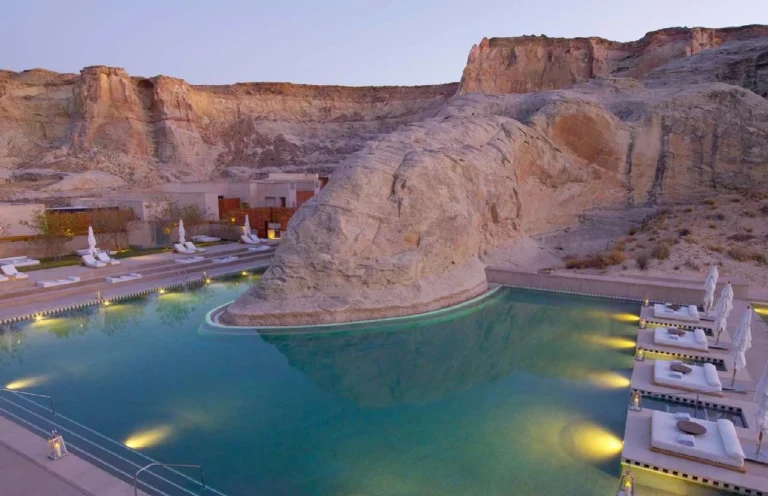
The mid-20th century introduced the “Health Farm” or “Fat Farm” era, which shifted the focus to active weight management and disciplined diet. This was the precursor to the modern destination spa, where the environment was used to enforce a specific behavioral regime. It was during this time that the Southwest—specifically Arizona and California—became the epicenter of the American wellness movement, leveraging the “clean air” and “spiritual energy” of the desert as a therapeutic brand.
Today, we are in the “Third Generation” of wellness hospitality: the era of the “Integrated Bio-Spa.” Modern luxury spa resorts usa now incorporate genomic testing, hyperbaric oxygen therapy, and circadian-rhythm architecture. The “Best” in this era are those who can seamlessly integrate these high-tech interventions into a high-touch, empathetic luxury environment. The focus has moved from “recovering from work” to “optimizing for performance,” reflecting a shift in the target audience from the leisure traveler to the high-stakes professional seeking to extend their “biological runway.”
Conceptual Frameworks: The Sensory Envelope and Therapeutic Density
To navigate the luxury market, one can apply specific mental models that reveal the operational depth of a facility:
The “Sensory Envelope” Model
A spa’s weakest “sensory leak” limits its overall effectiveness. Even if a facility offers world-class deep tissue massage, loud HVAC systems, or harsh fluorescent lighting can break the “Sensory Envelope.” To prevent this, high-tier resorts manage the “Soundscape” and “Aromascape” with the same precision as their room service menus. By doing so, they ensure that external stimuli never jar the guest’s nervous system. Ultimately, these details protect the tranquility of the environment and the value of the guest’s experience.
The “Therapeutic Density” Index
This involves measuring the ratio of “Active Wellness Minutes” (time spent in treatment, meditation, or hydrotherapy) versus “Passive Transit Minutes” (time spent walking through long hallways or waiting in lobbies). A resort with high therapeutic density minimizes the friction between the guest room and the treatment room, creating a “flow state” for the guest.
The “Bio-Individualism” Limit
This model recognizes that no single treatment is a universal solution. A facility that offers a standardized “Signature Massage” to every guest is utilizing a volume-based approach. The premier tier focuses on “Assessment-First” protocols, where a consultation preceded by biometric data (e.g., HRV or sleep tracking) determines the intervention.
Key Categories and Regional Variations
Selecting the correct destination requires a categorization of resorts by their “Active Ingredient”—the primary environmental or clinical force they use to facilitate health.
| Category | Primary Region | The “Active” Ingredient | Operational Trade-off |
| Arid Desert Sanctuary | AZ, UT, NM | High-intensity silence; dry air | Dehydration risk; high sun exposure |
| Mineral Spring Hub | VA, AR, NY | Aqueous mineral load; historicism | Aging infrastructure; social focus |
| Coastal Medical Spa | FL, CA | Saline air; clinical diagnostics | High cost; less “leisure” feel |
| Mountain Wellness | CO, VT, UT | High altitude; thermal circuits | Altitude sickness risk; seasonal variability |
| Urban Recovery Lab | NYC, LA, CHI | Bio-hacking: time efficiency | External noise; limited nature access |
Realistic Decision Logic
The decision should be based on a “Metabolic Audit.” If a traveler is suffering from “Burnout-Induced Insomnia,” a Coastal Medical Spa with sleep labs is the logical choice. However, if the goal is “Social Reconnection,” a Mineral Spring Hub provides the communal atmosphere necessary for psychological well-being. The “Best” resort is the one that addresses the guest’s most acute “Resource Depletion” rather than the one with the best aesthetic.
Detailed Real-World Scenarios
The “Digital Detox” in the High Desert
A guest seeks to disconnect but struggles with the “Withdrawal Anxiety” of being away from their business.
-
The Tool: A facility that uses rammed-earth architecture (thick walls) to naturally block signals ancreates “Phone-Free” common zones.
-
The Success: The guest transitions from “Checking Behavior” to “Observation Behavior” within 48 hours.
-
Failure Mode: If the resort allows “Quiet Phone Use” in the lounge, the visual cue of others on devices prevents the guest’s brain from fully down-regulating.
Post-Operative Recovery at a Coastal Spa
A guest utilizes a Florida-based wellness resort for recovery after a major procedure.
-
The Logic: Combining hyperbaric oxygen therapy (HBOT) with lymphatic drainage to accelerate cellular repair.
-
Decision Point: Choosing a resort with “Nurse-on-Call” status rather than just a spa manager.
-
Second-Order Effect: The guest returns to work $30\%$ faster than the clinical average for their procedure.
Planning, Cost, and Resource Dynamics
The financial management of a luxury spa stay must distinguish between “All-Inclusive Destination” costs and “Resort A La Carte” costs.
| Expense Factor | Range (Per Night) | Included Resources | Hidden Surcharges |
| Elite Destination | $1,500 – $3,500 | All meals, 2+ treatments, labs | Mandatory 20% “Service Fee.” |
| Luxury Boutique | $800 – $1,500 | Room, spa access | Treatment costs ($250+ each) |
| Urban Recovery | $600 – $1,200 | Room, gym | Bio-hacking equipment fees |
Indirect Costs and Opportunity Costs
One must account for the “Re-Entry Cost.” If a guest spends $10,000 on a week of wellness but returns to a high-stress environment with no integration plan, the “Value of the Session” evaporates in 72 hours. The most efficient resorts provide a “Home-Integration Guide” to protect the guest’s investment post-checkout.
Tools, Strategies, and Support Systems
-
The “Pre-Arrival” Blood Panel: Some elite resorts require a lab draw 14 days before arrival to customize the nutrient and supplement protocol.
-
Circadian Management Systems: In-room lighting that adjusts its Kelvin temperature throughout the day to reset the guest’s melatonin production.
-
The “Kneipp” Hydrotherapy Circuit: Systems that use alternating hot and cold water to stimulate the vagus nerve and immune system.
-
Binaural Beat Soundbeds: Using acoustic resonance to induce “Theta” brainwave states for deep meditation.
-
Apothecary Customization: On-site blending of essential oils based on the guest’s skin pH and current olfactory preference.
-
“Silent Floor” Governance: Reserving specific wings of the resort for total silence, banning housekeeping carts and room service during “Rest Hours.”
-
Wearable Data Integration: Spas that sync with a guest’s Oura or Whoop data to adjust the intensity of a morning’s yoga session based on their “Readiness Score.”
Risk Landscape and Failure Modes
The primary risk in the luxury spa resorts USA market is “Service Dilution.” This occurs when a property tries to be a “Family Resort” and a “Wellness Sanctuary” simultaneously.
Taxonomy of Compounding Risks:
-
Acoustic Pollution: The sounds of a wedding reception or a corporate “happy hour” penetrating the spa’s “Sensory Envelope.”
-
Staff Turnover: High-end wellness relies on “Master Clinicians.” If a resort has high turnover, the “Therapeutic Depth” of the treatments declines, leaving the guest with a “generic” massage.
-
The “Locker Room Congestion”: A spa designed for 40 guests becomes unusable when 150 convention attendees attempt to use the facilities simultaneously.
Governance and Long-Term Adaptation
To maximize the value of a high-tier stay, the guest must implement “Post-Stay Governance.” This involves a “Life-Integration Review” performed 30 days after the visit.
The Layered Integration Checklist:
-
Sleep Hygiene: Did the resort’s mattress or lighting setup improve my sleep? How can I replicate it?
-
Nutritional Pivot: Which anti-inflammatory recipes from the resort can be integrated into my daily routine?
-
Stress-Response Audit: Comparing Resting Heart Rate (RHR) from the week before the stay to the month after.
Long-term adaptation involves moving away from the “Once-a-Year Blowout” toward “Quarterly Maintenance” at diverse facilities—using the desert for reflection, the coast for diagnostics, and the mountains for physical endurance.
Measurement, Tracking, and Evaluation
True success in a wellness retreat is measured by the “Duration of Effect.”
-
Leading Indicators: Reductions in cortisol levels or improvements in HRV (Heart Rate Variability) over the course of the stay.
-
Lagging Indicators: Sustained improvements in sleep quality or blood pressure 60 days post-stay.
-
Documentation: A “Wellness Passport” or digital dashboard provided by the resort that outlines every treatment, the clinician’s notes, and a “Prescription” for home care.
Common Misconceptions and Oversimplifications
-
Myth: “The most famous resorts are the best.” Correction: Fame often leads to over-subscription and “mechanical” service. Some of the most effective resorts are small, 12-room boutiques with zero marketing budget.
-
Myth: “Deep tissue massage should be painful.” Correction: Pain triggers the sympathetic nervous system (fight or flight), which is the opposite of the “Spa Goal.”
-
Myth: “Spa food is just salad.” Correction: Premier resorts have kitchens that rival Michelin-starred restaurants, focusing on “Flavor-Dense, Nutrient-Complete” gastronomy.
-
Myth: “I need to book every treatment possible.” Correction: Over-scheduling leads to “Spa Fatigue.” The most luxurious thing is a “Blank Afternoon.”
-
Myth: “Wellness resorts are only for women.” Correction: The fastest-growing segment in the US market is “Executive Male Recovery,” focusing on testosterone optimization and burnout management.
Conclusion: The Synthesis of Science and Silence
The search for the premier luxury spa resorts usa is an ongoing pursuit of environmental alignment. It is the recognition that the human nervous system requires periodic “recalibration” that cannot be achieved in the domestic or professional world. By moving beyond the aesthetic surface and understanding the underlying mechanics of hydrotherapy, clinical nutrition, and sensory management, a traveler can transform a “vacation” into a “biological reset.”
The hallmark of a world-class resort is not its lobby, but its “Silent Operator”—the invisible infrastructure that protects the guest from the friction of modern life. Success is found when the guest arrives at their destination and discovers that the architecture itself is doing the work of restoration. Whether it is the mineral springs of the East or the bio-hacking labs of the West, the objective remains the same: the preservation of human vitality through the architecture of silence.